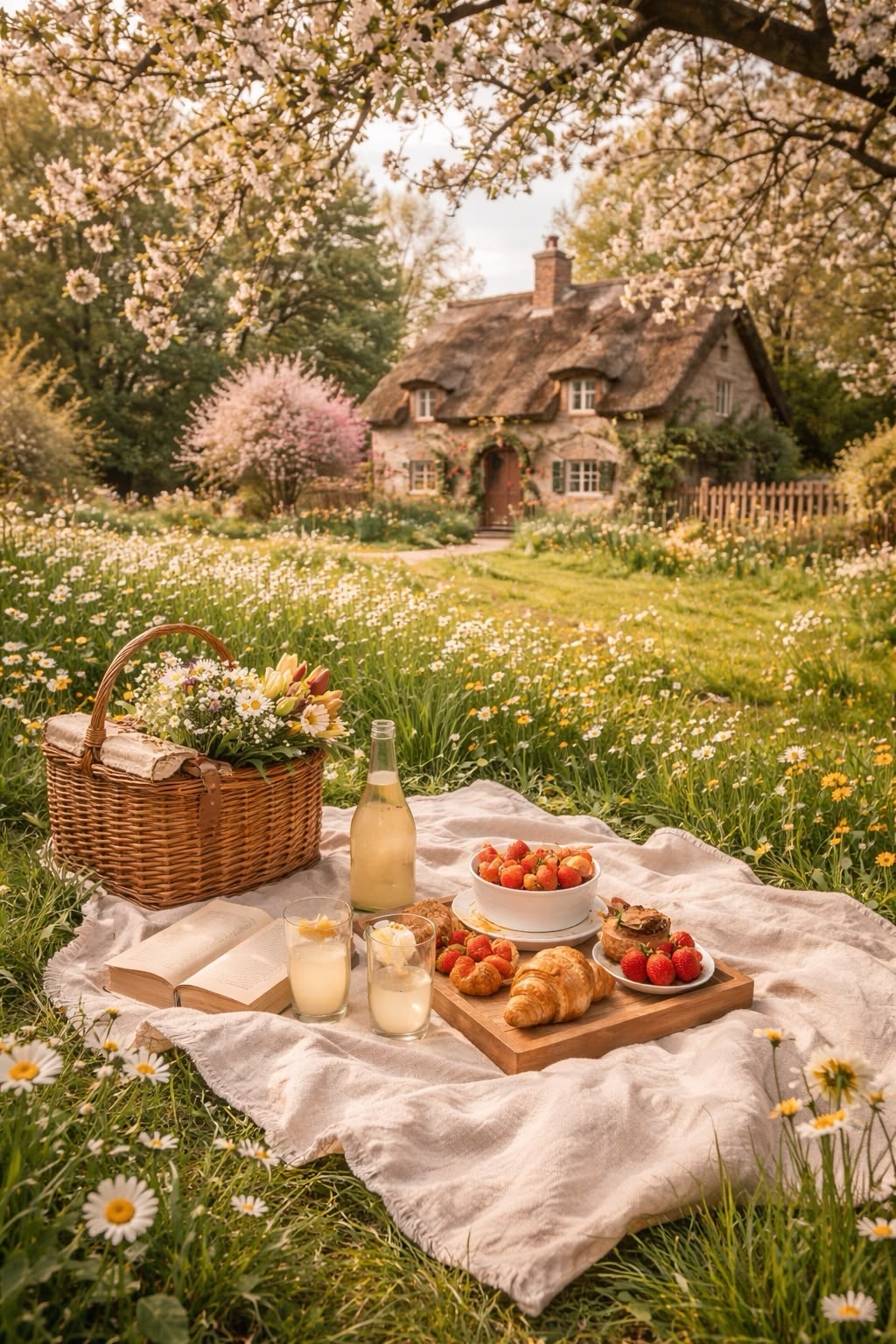
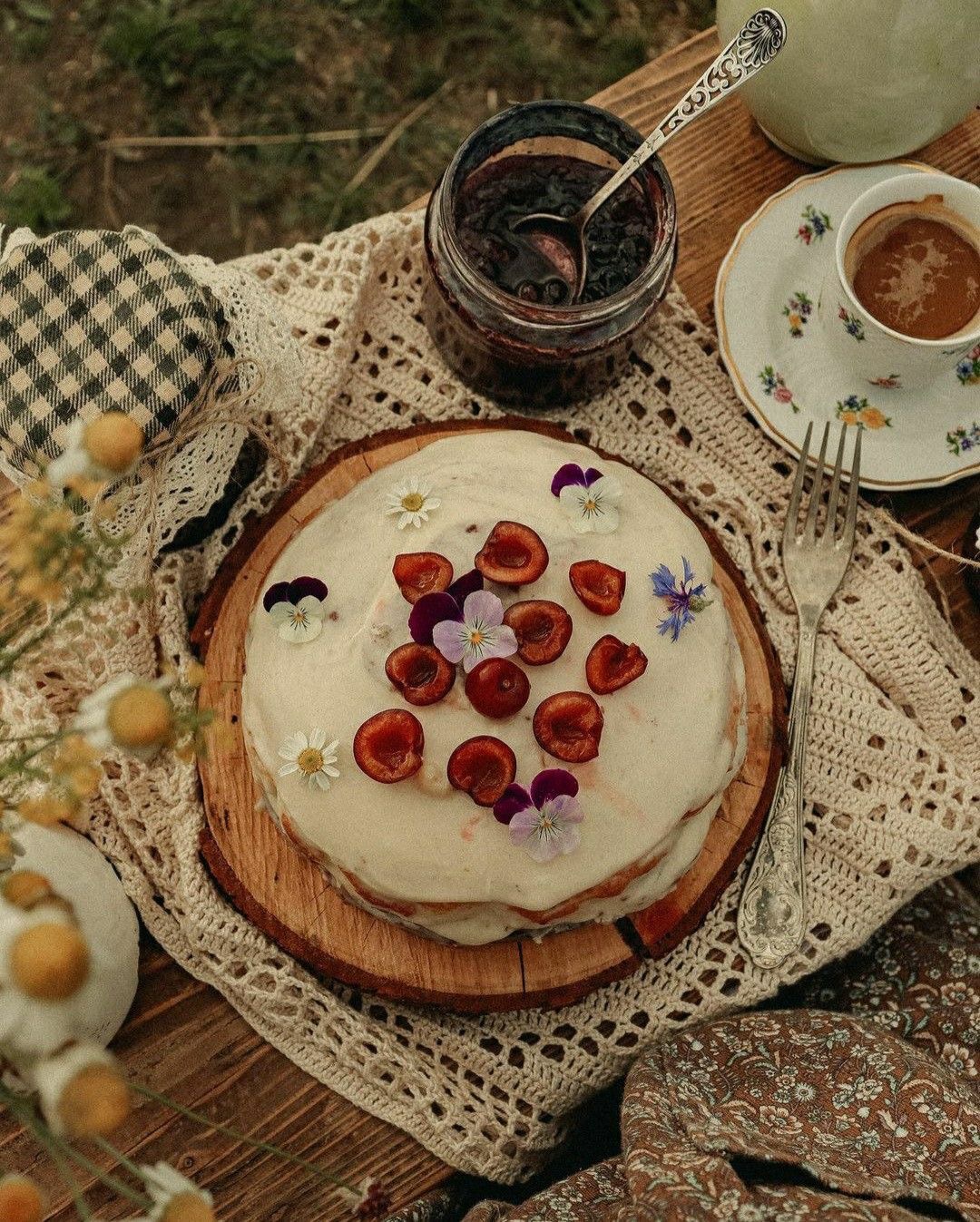
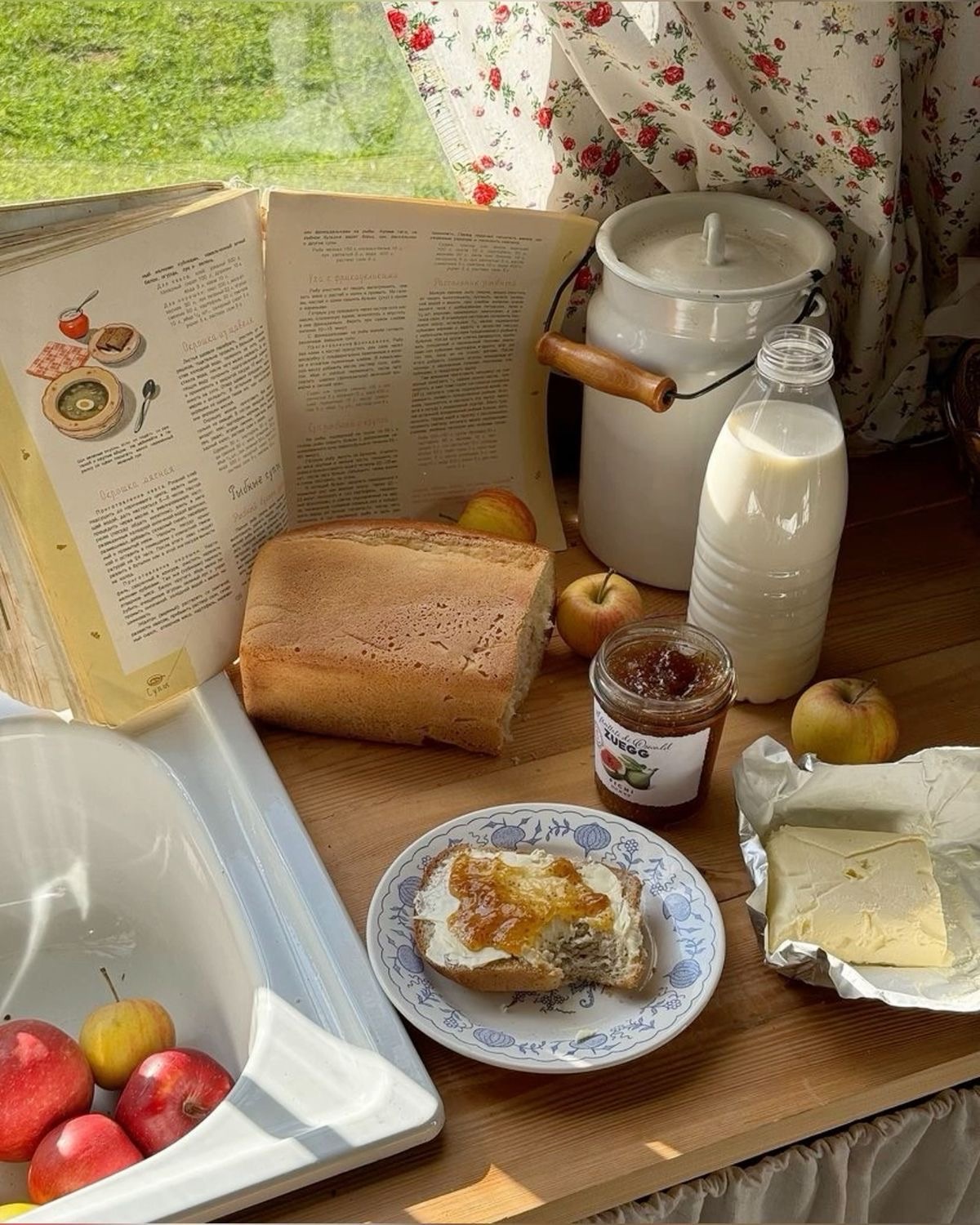
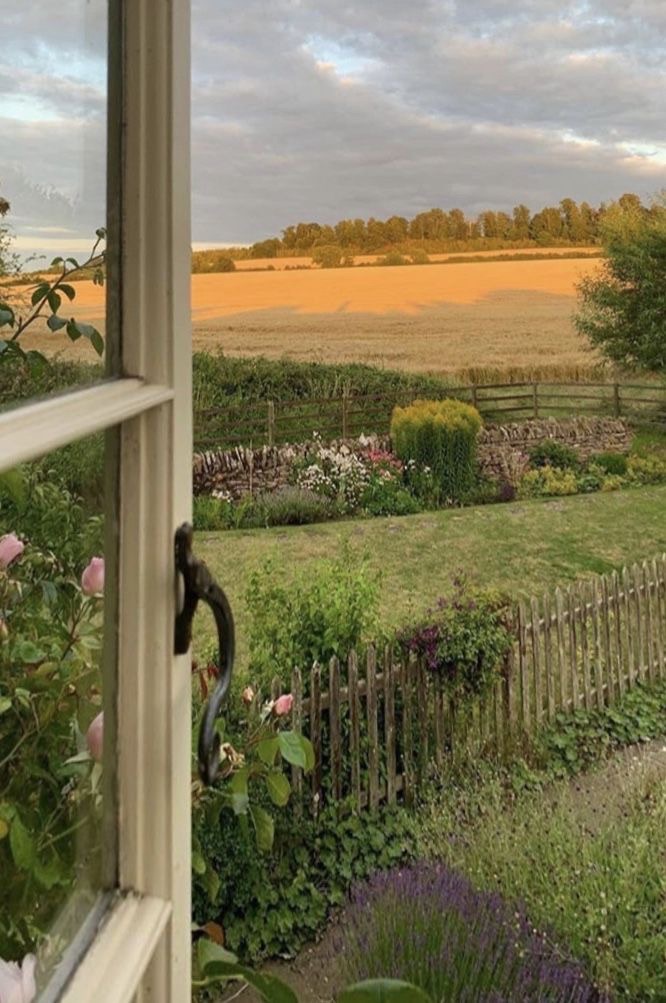
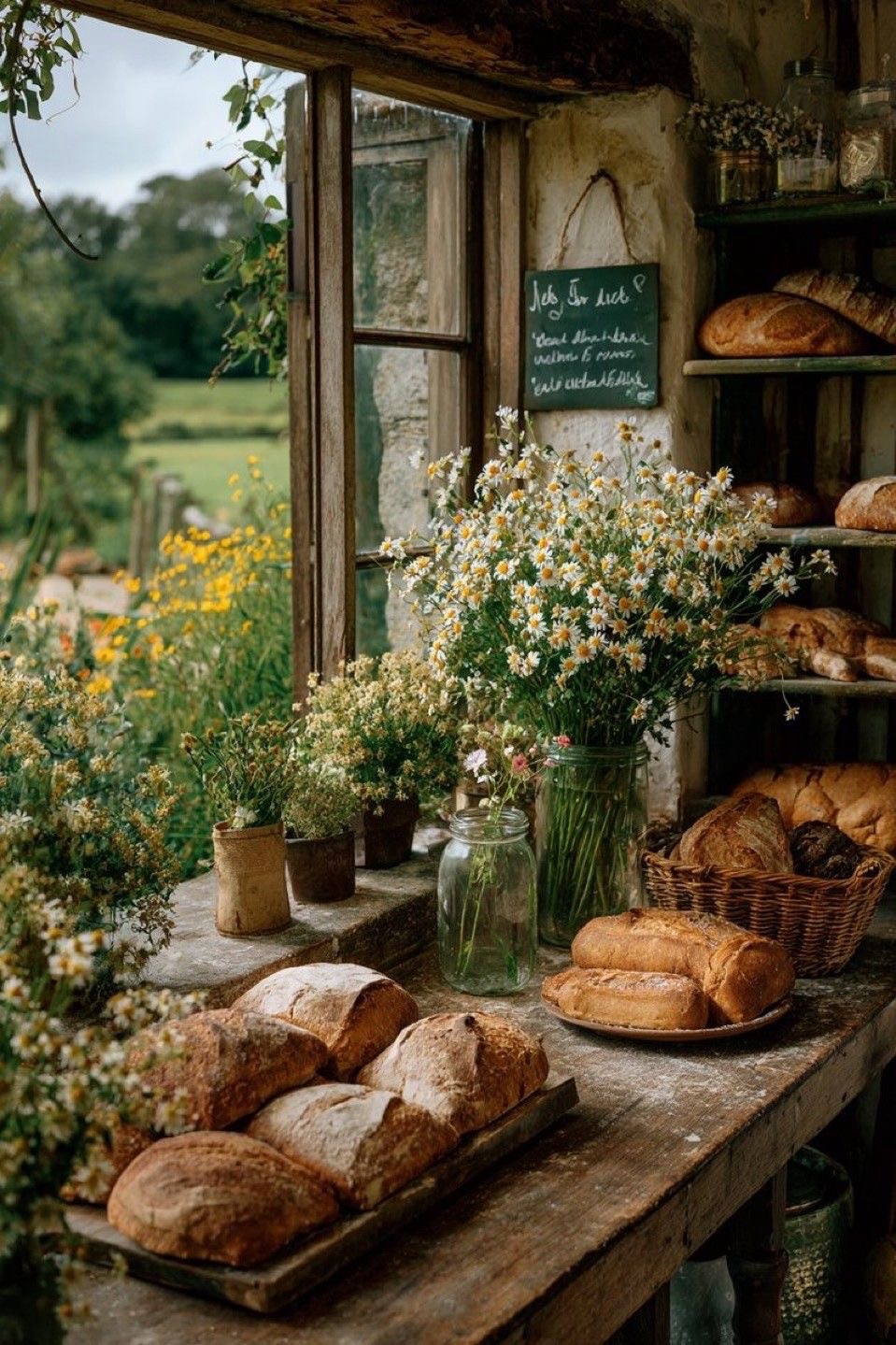
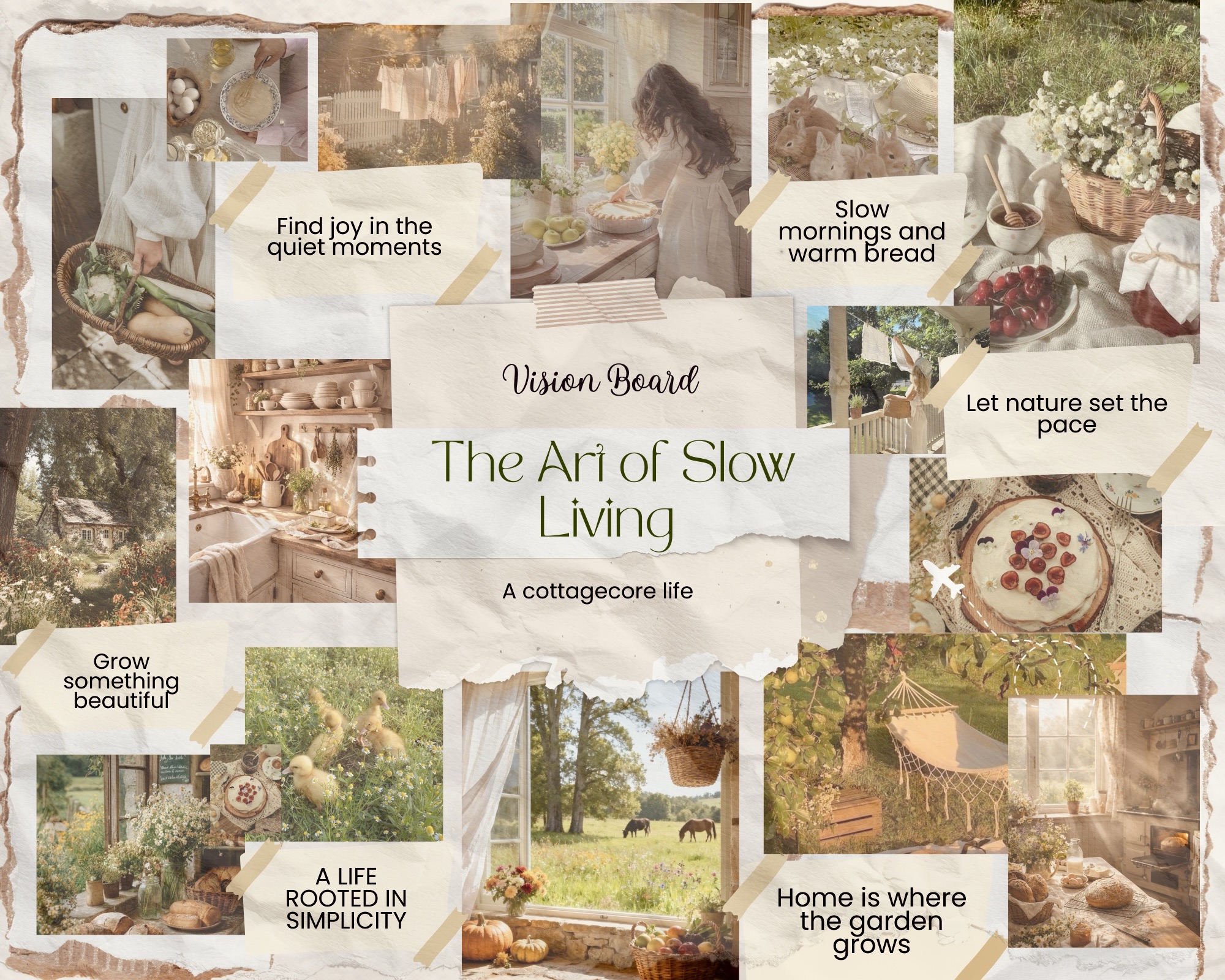
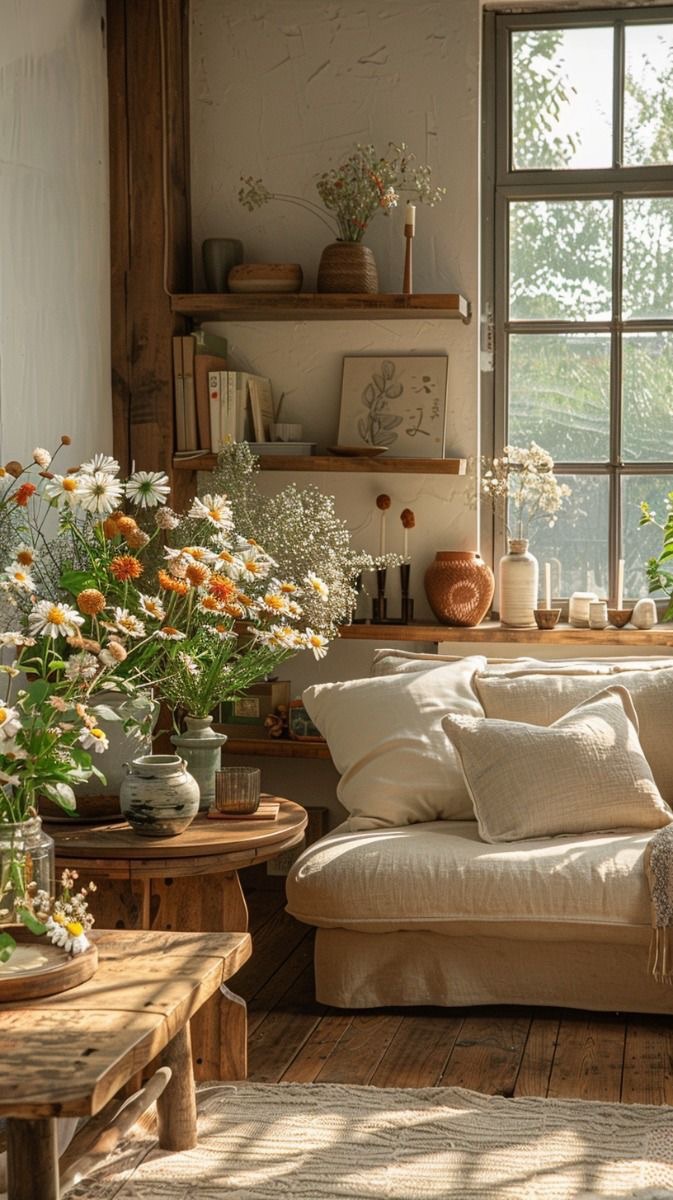
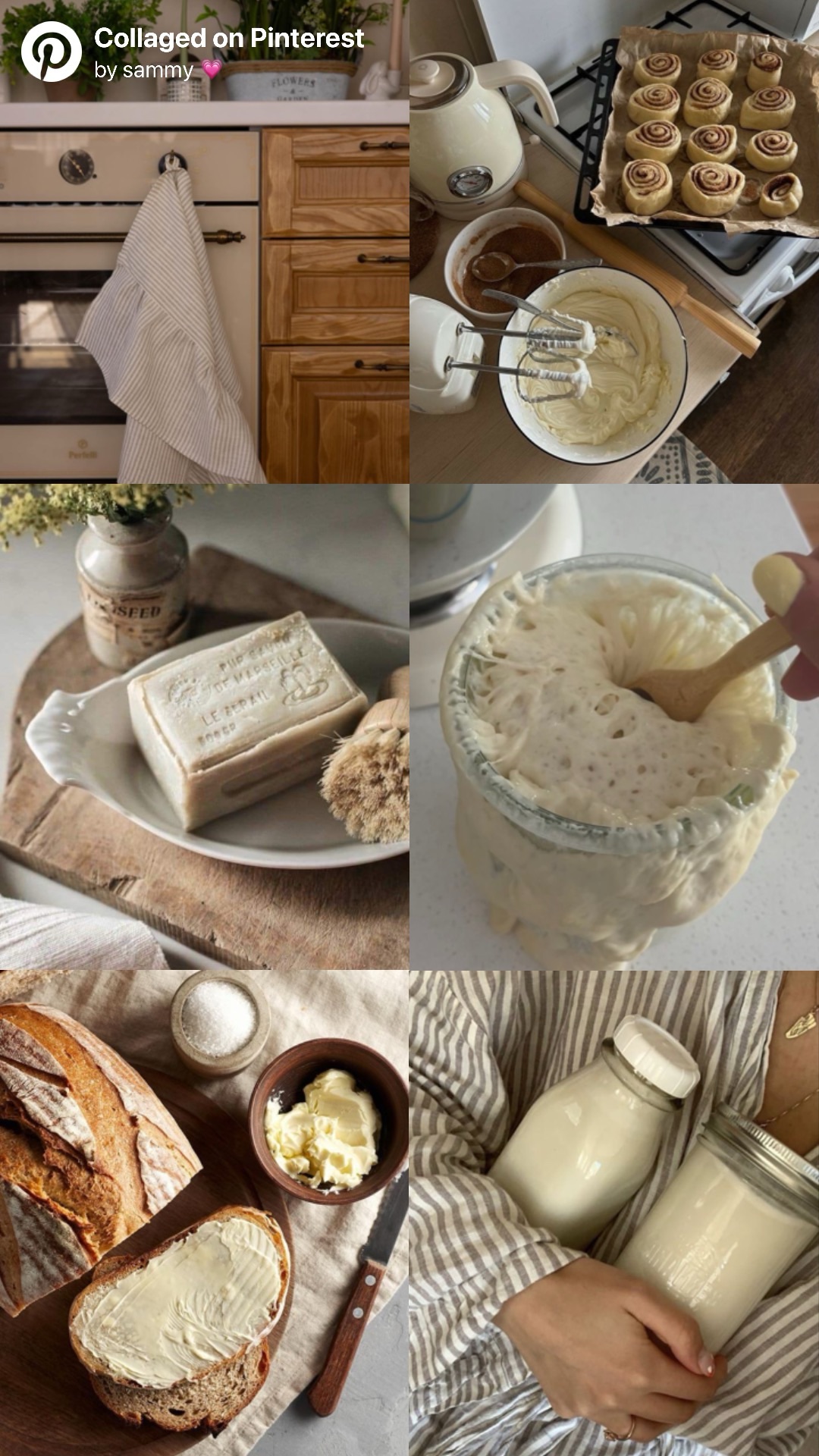
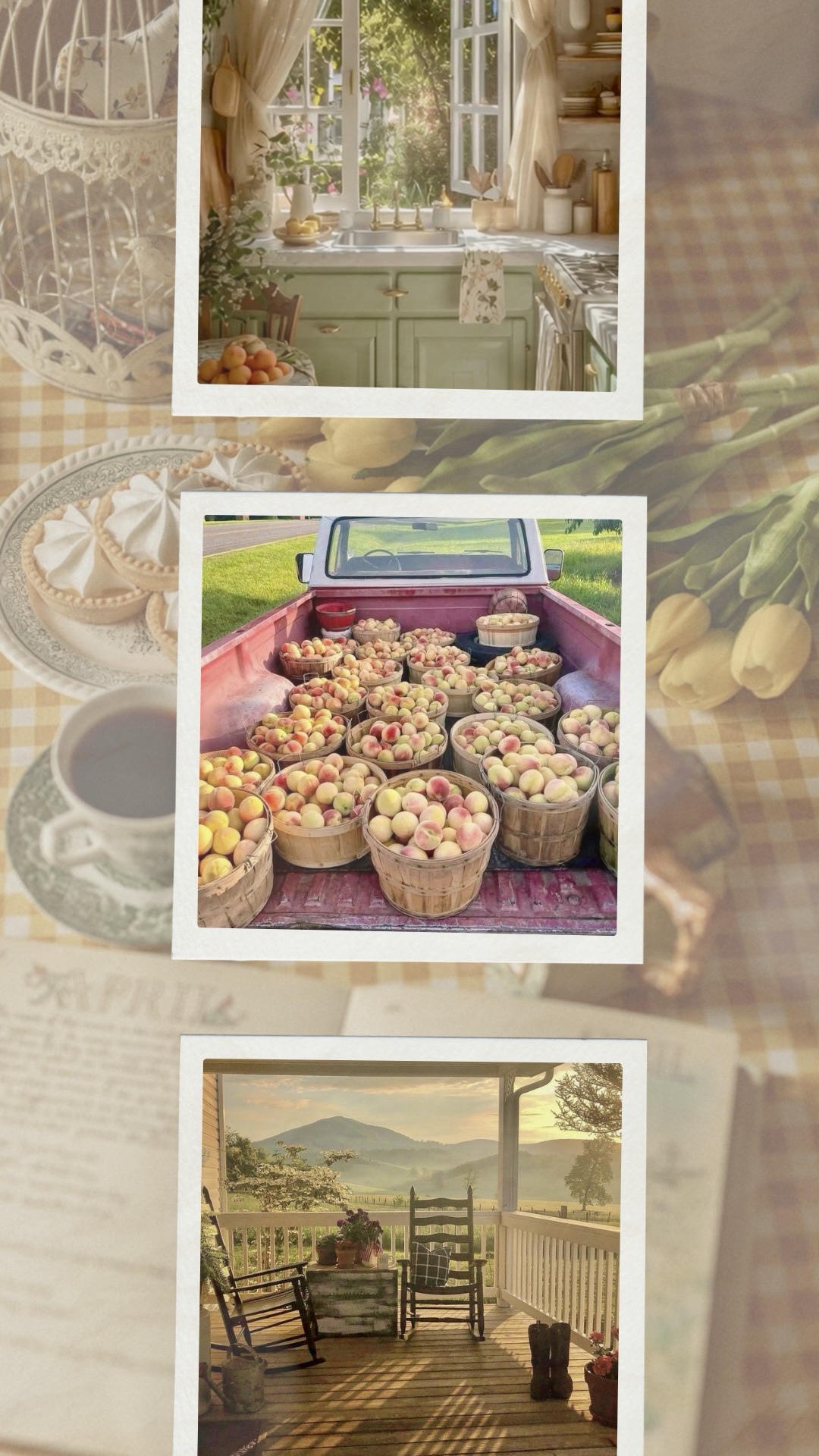
If you’ve spent time on Pinterest, TikTok, or Instagram over the past few years, you’ve probably seen the Cottagecore aesthetic. Think soft sunlight coming through a kitchen window, fresh bread cooling on a wooden table, wildflowers in a vase, and someone enjoying a quiet moment in nature.
As someone who runs a baking blog, Cottagecore honestly feels very familiar to me. So many of the things that appear in this aesthetic are things I already love sharing here. Baking from scratch, enjoying the process of making something by hand, and slowing down long enough to really appreciate the moment.
But Cottagecore is more than just pretty photos and cozy kitchens. It’s also a popular culture trend that reflects deeper ideas about identity, community, and the way people respond to modern life. In this post I’m analyzing Cottagecore as a popular culture text by looking at its narrative elements, characters, setting, symbolism, and the messages it communicates about society.


Narrative Elements
1
Genre
Cottagecore fits into the genre of digital lifestyle culture and aesthetic social media trends. The content combines visual storytelling, fashion, and everyday activities to create a consistent narrative about slow living.
2
Subject
The main subject of Cottagecore is romanticized rural life. Many posts show people baking bread, tending gardens, sewing clothes, walking through fields, or enjoying quiet moments outdoors.
Honestly, a lot of Cottagecore content reminds me of what I already love about baking. The process itself matters just as much as the finished product.
3
Theme
One of the strongest themes behind Cottagecore is the idea of slowing down. The aesthetic encourages people to step away from constant productivity and appreciate simple moments.
4
Conflict
The conflict behind Cottagecore is modern fast paced life versus peaceful living. Technology, busy schedules, and constant online engagement represent the stress of modern life. Cottagecore presents nature and slower routines as an alternative.
5
Master Plot
Using the master plot framework, Cottagecore most closely fits the escape narrative. The aesthetic creates a vision of escaping modern pressures and stepping into a calmer, slower world.
6
Tone & Mood
The tone of Cottagecore content is gentle and nostalgic. The mood often feels peaceful and comforting, which is a big part of why the aesthetic resonates with so many people.
7
Point of View
Most Cottagecore content is shared from a personal perspective. Creators often show their own daily routines, baking projects, or garden updates through photos and videos.
Characters
Even though Cottagecore is not a fictional story, it still contains recognizable roles and archetypes.
Protagonist
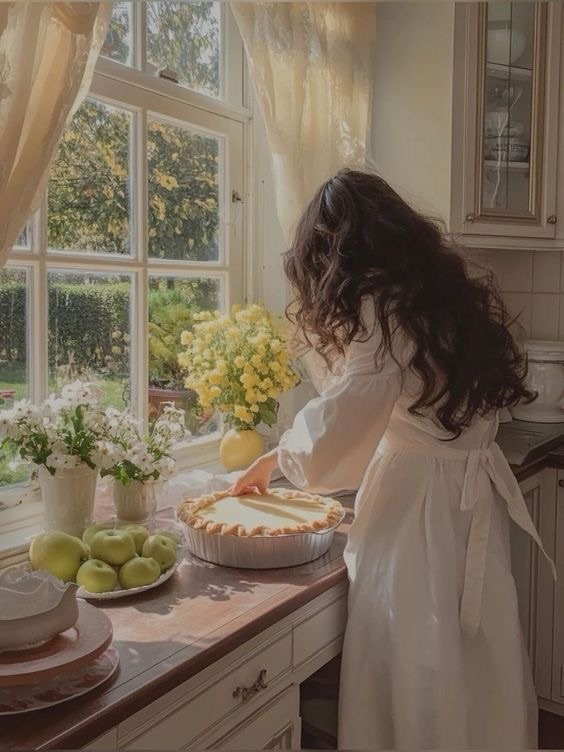
The protagonist is usually the Cottagecore creator. This person embraces a lifestyle that includes baking, gardening, crafting, and spending time in nature.
Foil
A foil in this narrative can be modern consumer culture. Cottagecore focuses on handmade items and simple living, which contrasts strongly with fast consumption and mass production.
Antagonist
The antagonist is less obvious but still present. In this narrative the opposing force is modern hustle culture, including constant productivity expectations and digital overwhelm.
Minor Characters
Minor characters sometimes appear as friends, partners, or family members who join the creator in activities like cooking or gardening.
Archetypes
Several archetypes appear often in Cottagecore content.
The Caregiver appears through nurturing plants, animals, or family.
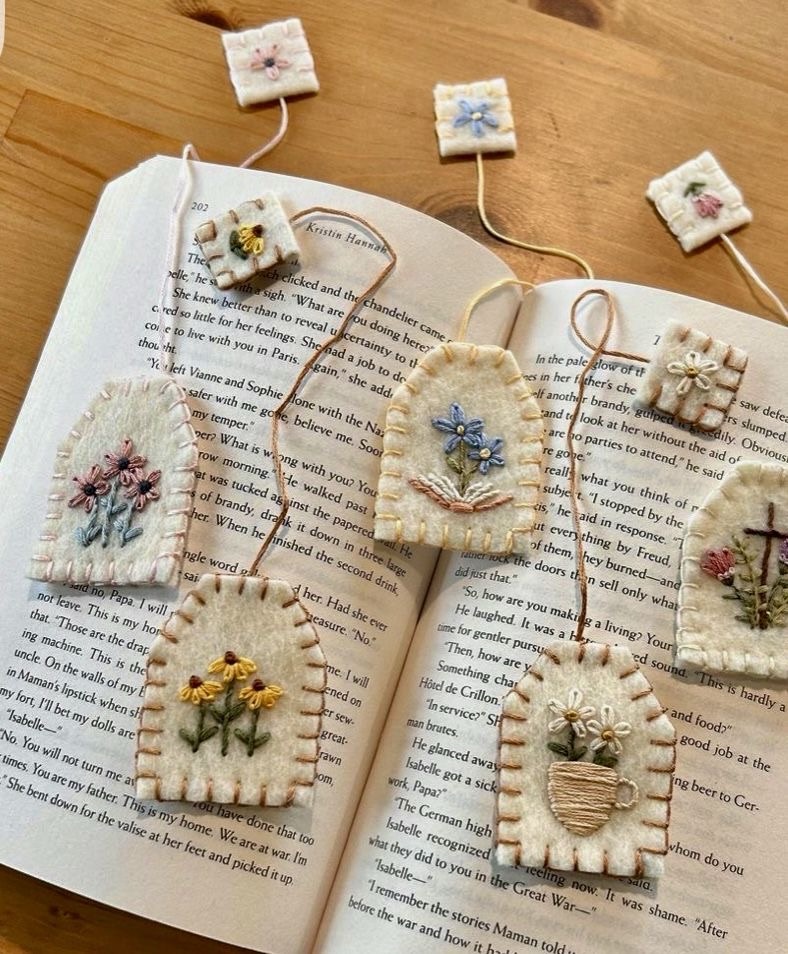
The Creator appears through crafting, baking, and making things by hand.
The Innocent appears through an appreciation for small and simple joys.
These archetypes help make the lifestyle feel warm and familiar.
Time
Place
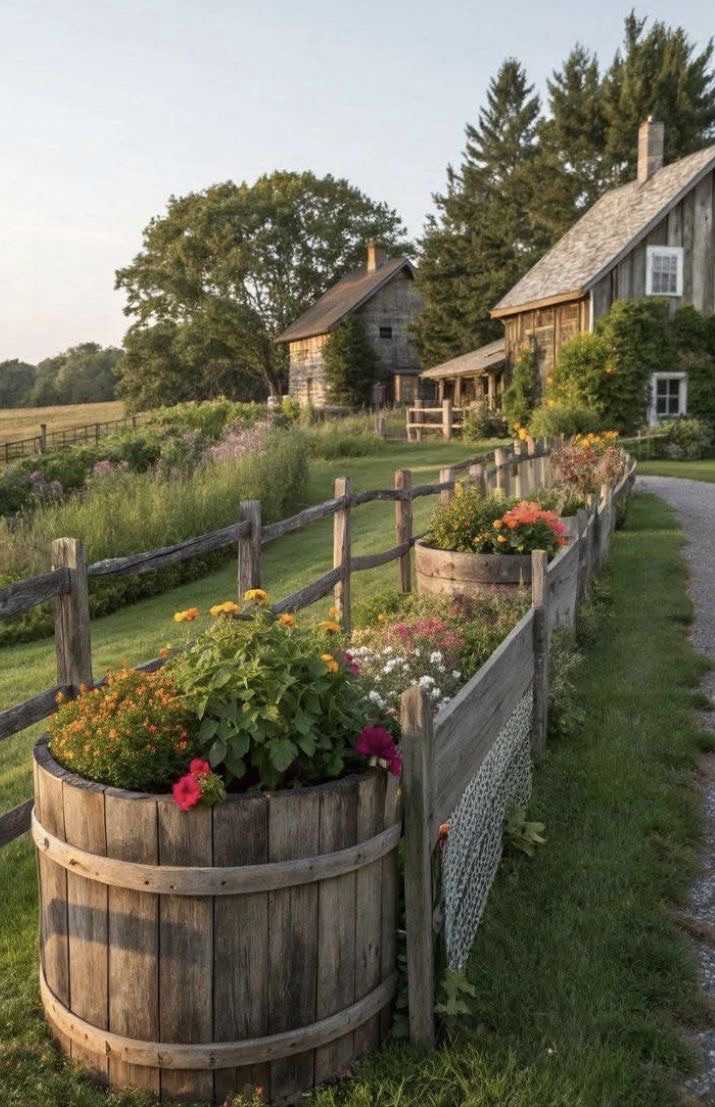
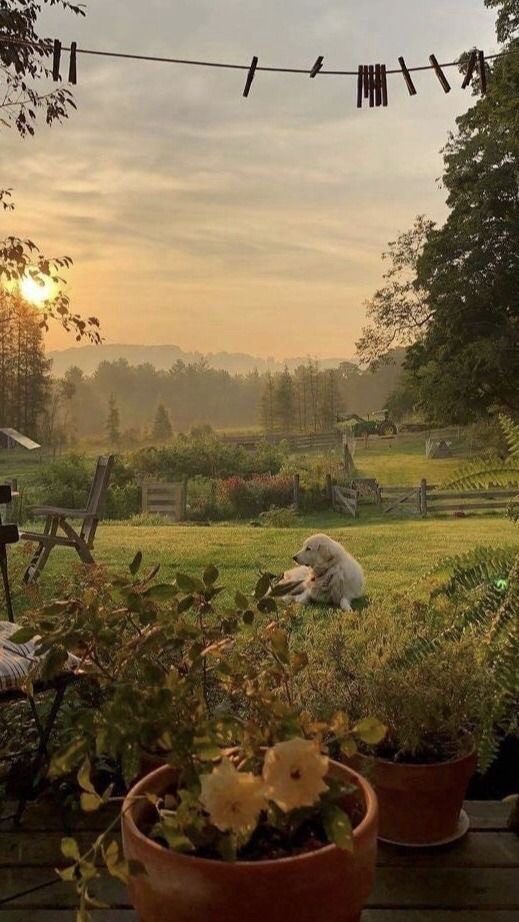
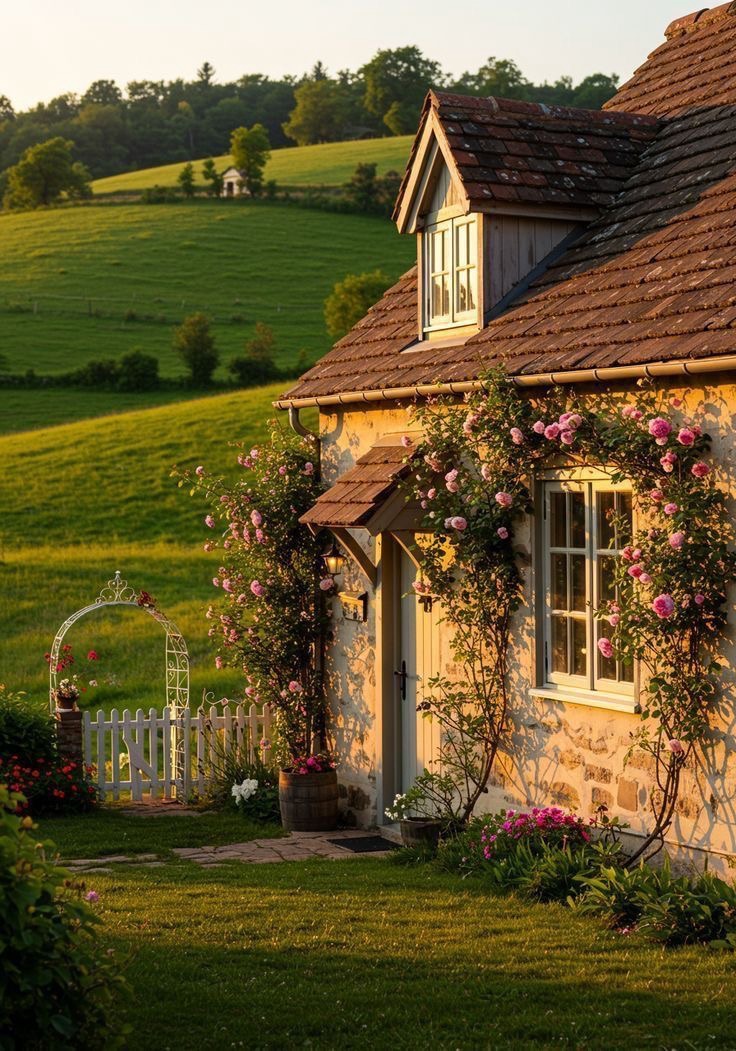
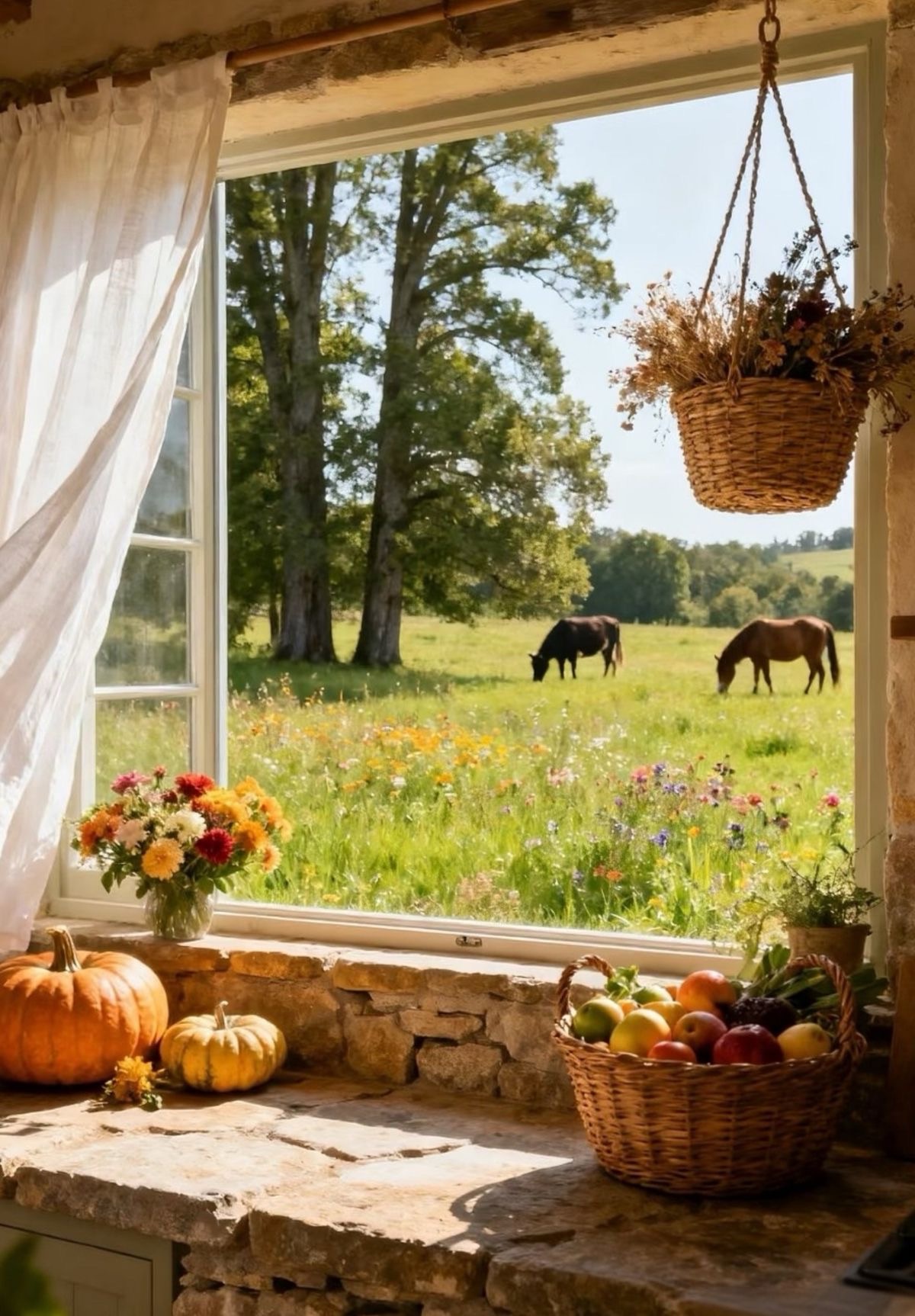
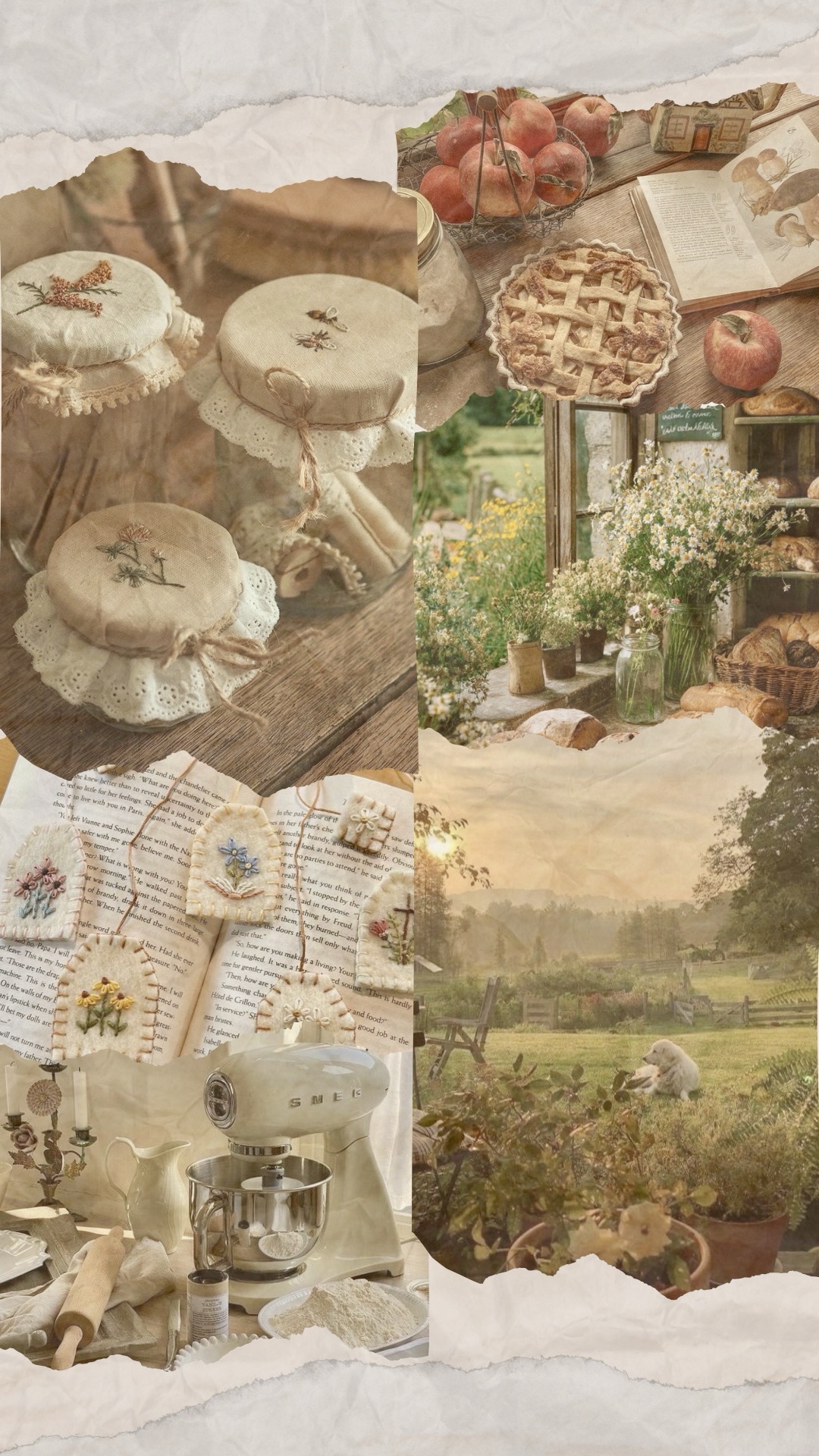
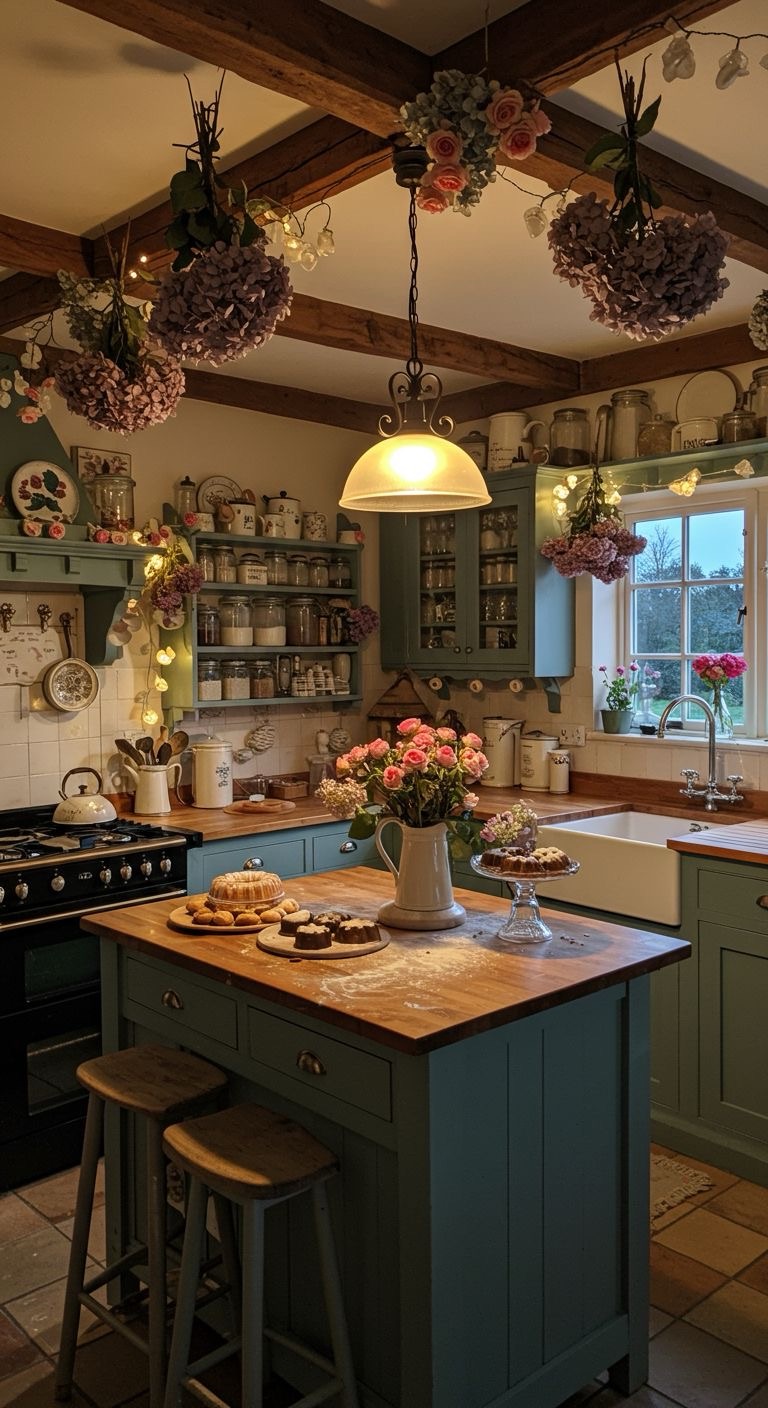
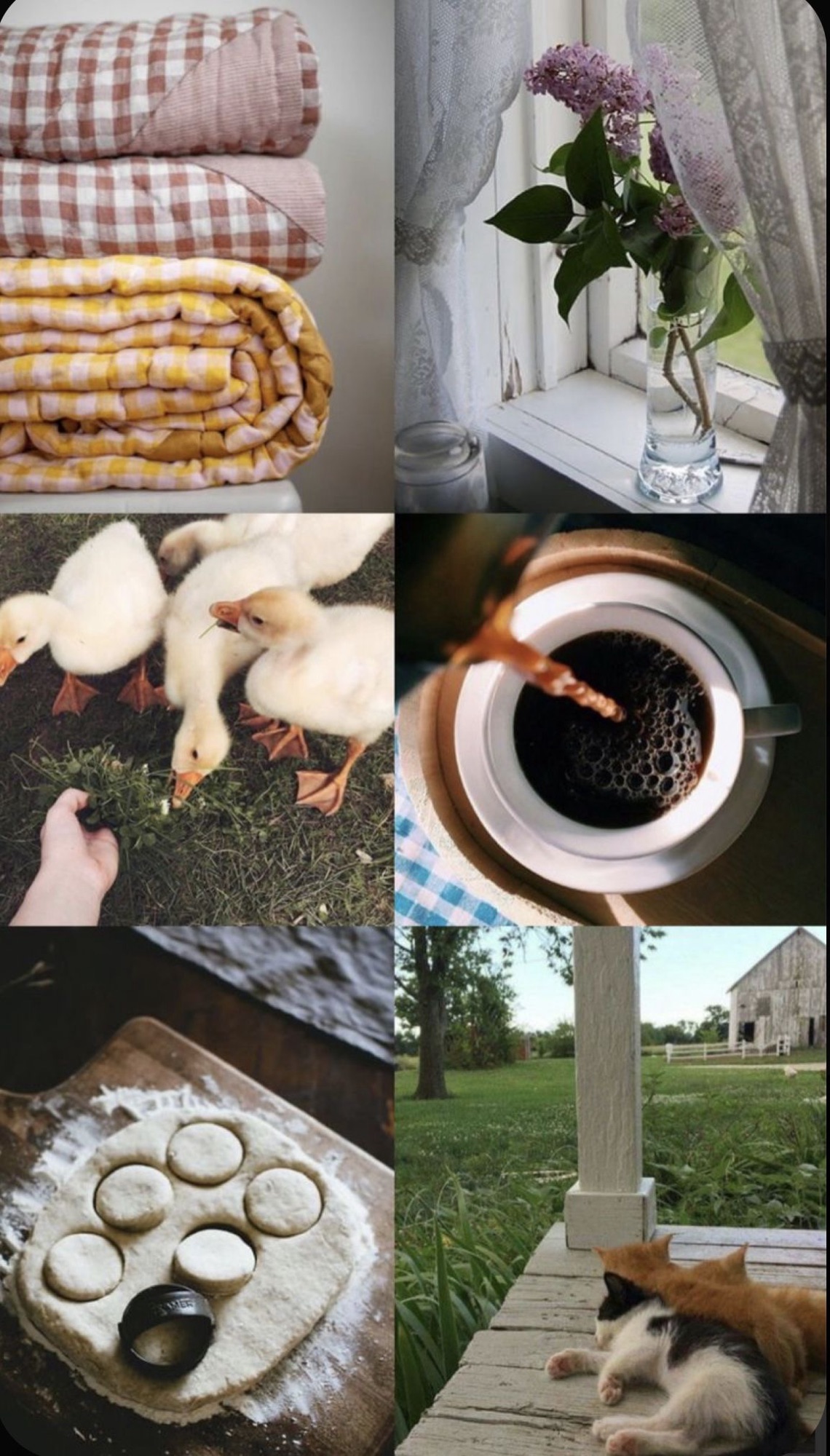
Typical Cottagecore settings include countryside cottages, gardens, farms, forests, and cozy kitchens.
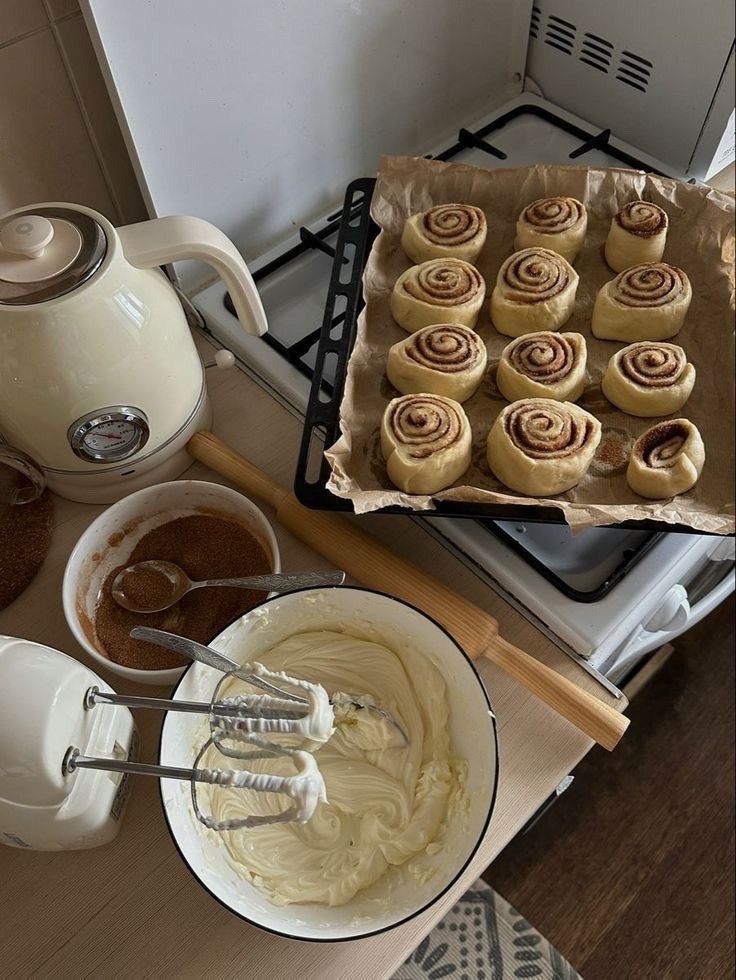
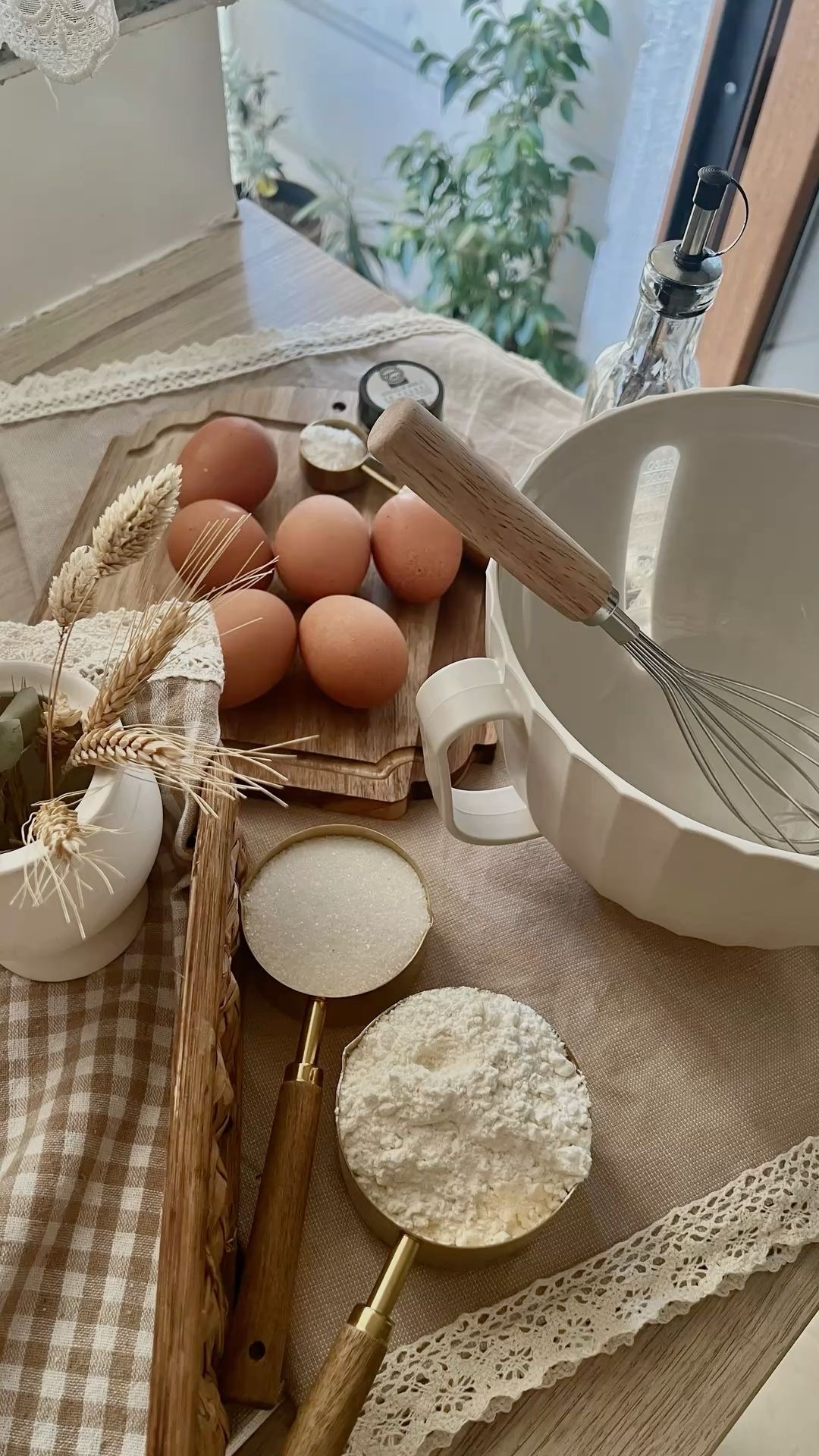
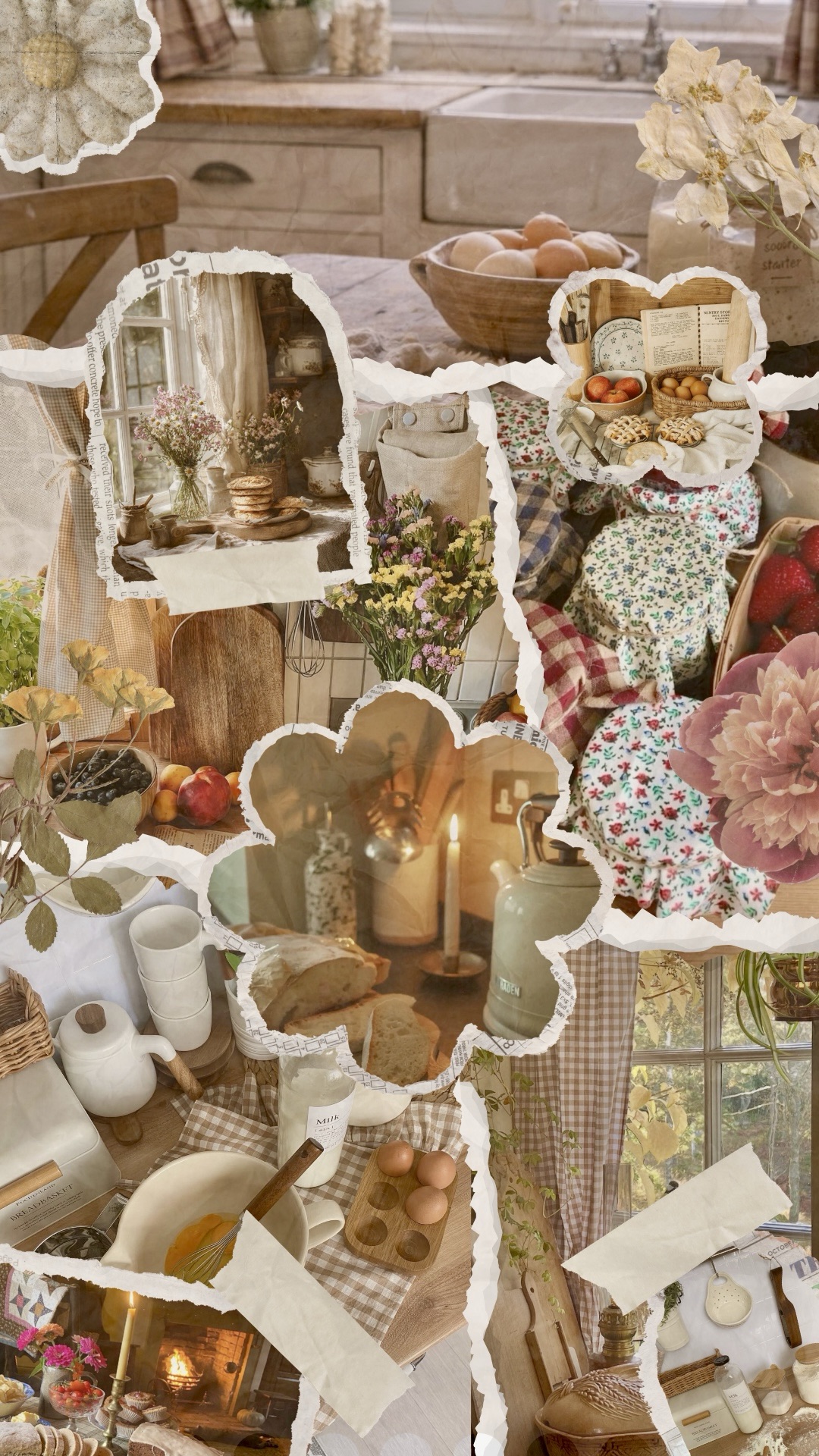
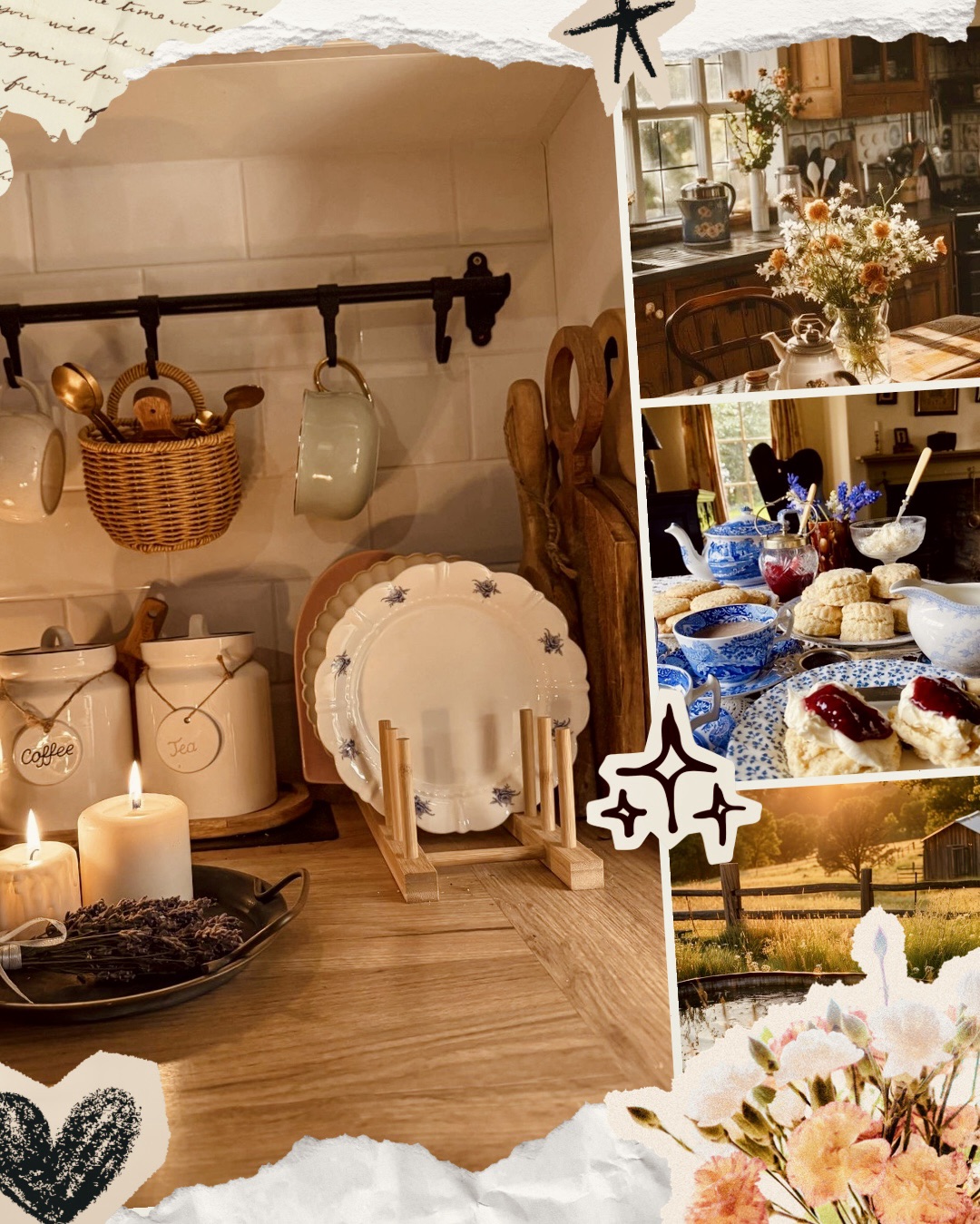
Kitchens are especially important in this aesthetic. Many Cottagecore posts involve baking or cooking, which reinforces the idea of home and comfort. This is one of the reasons the aesthetic feels so connected to what I share on Samsational Sweets.
Context
The rise of Cottagecore is closely connected to modern digital culture and the COVID 19 pandemic. During that time many people started exploring hobbies like baking and gardening as a way to cope with stress and uncertainty (Givhan, 2020).
Mise en Scene
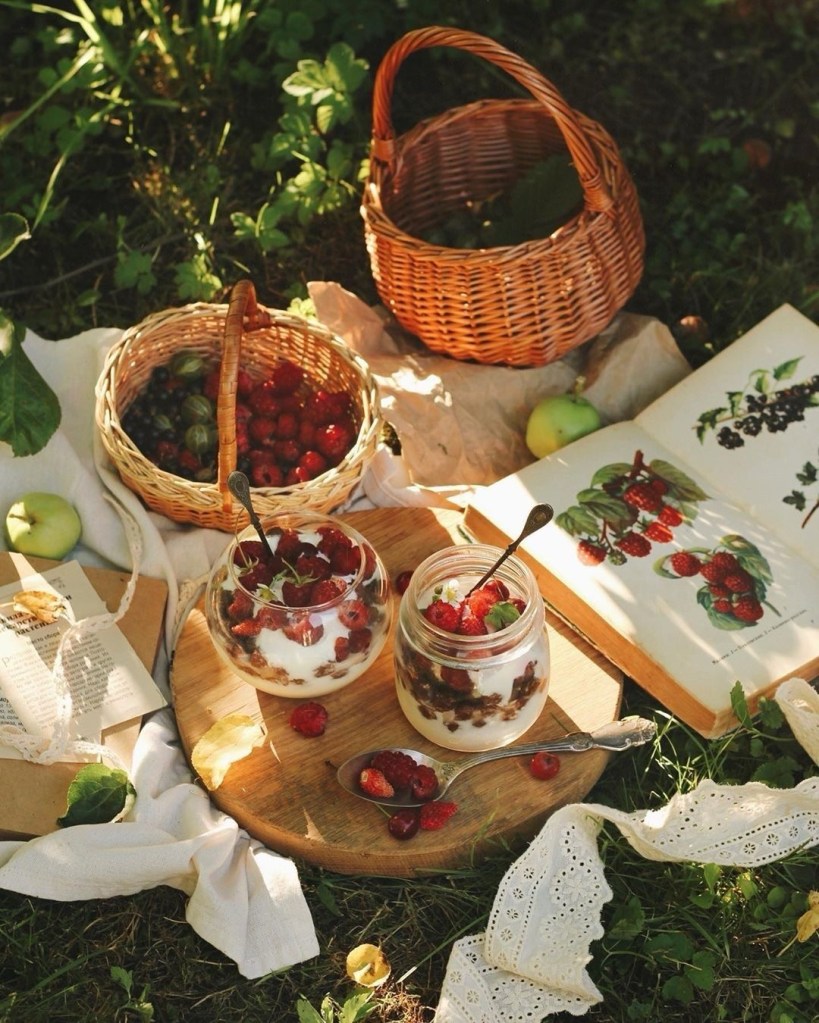
Mise en scene refers to how visual elements are arranged to create meaning.
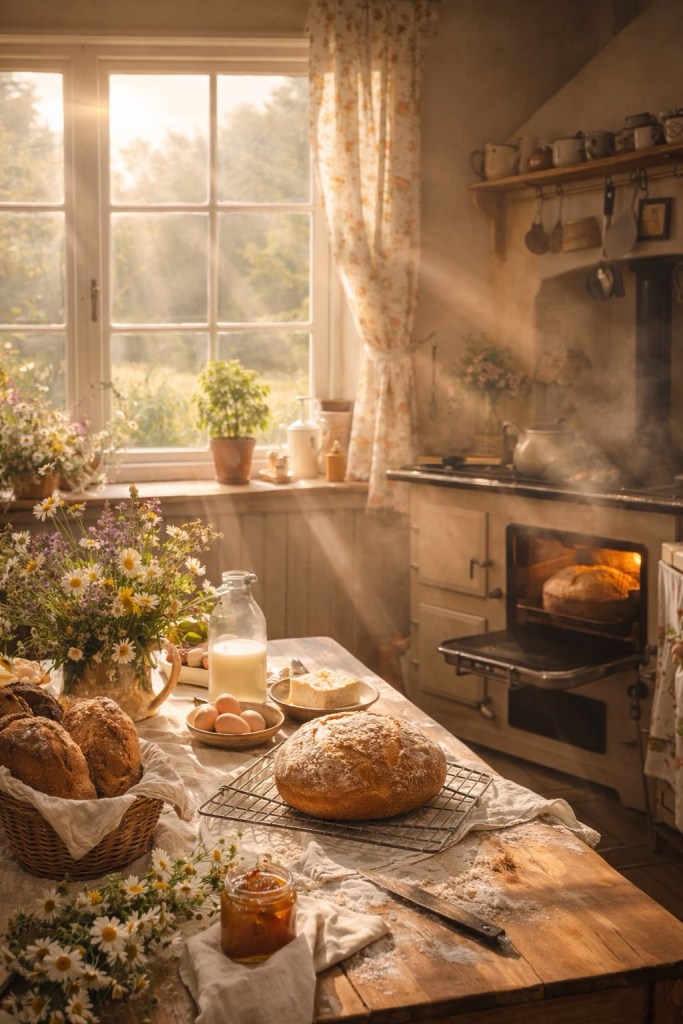
Arrangement
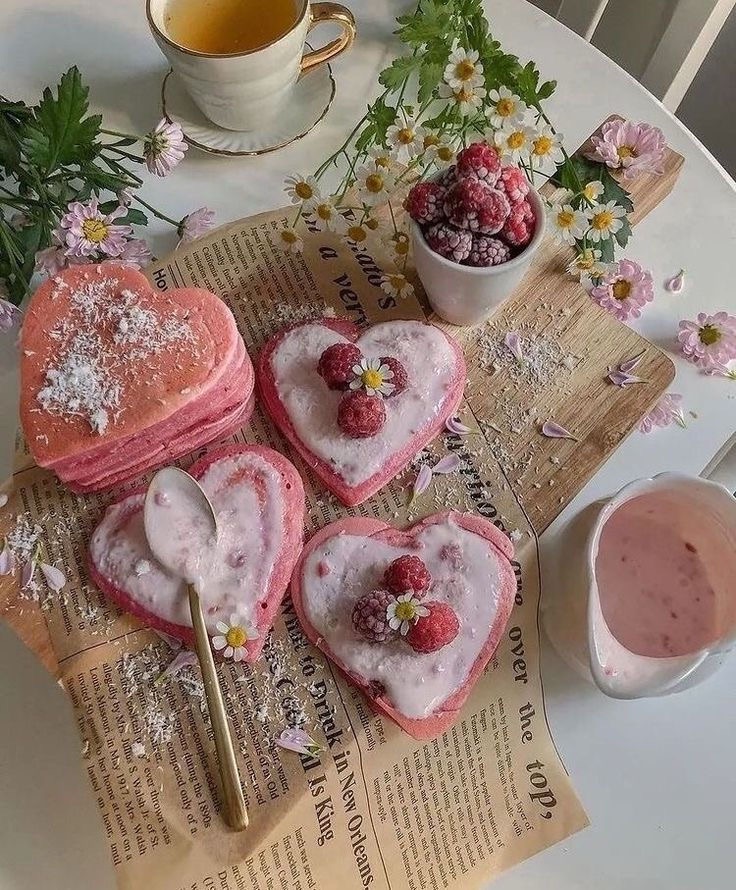
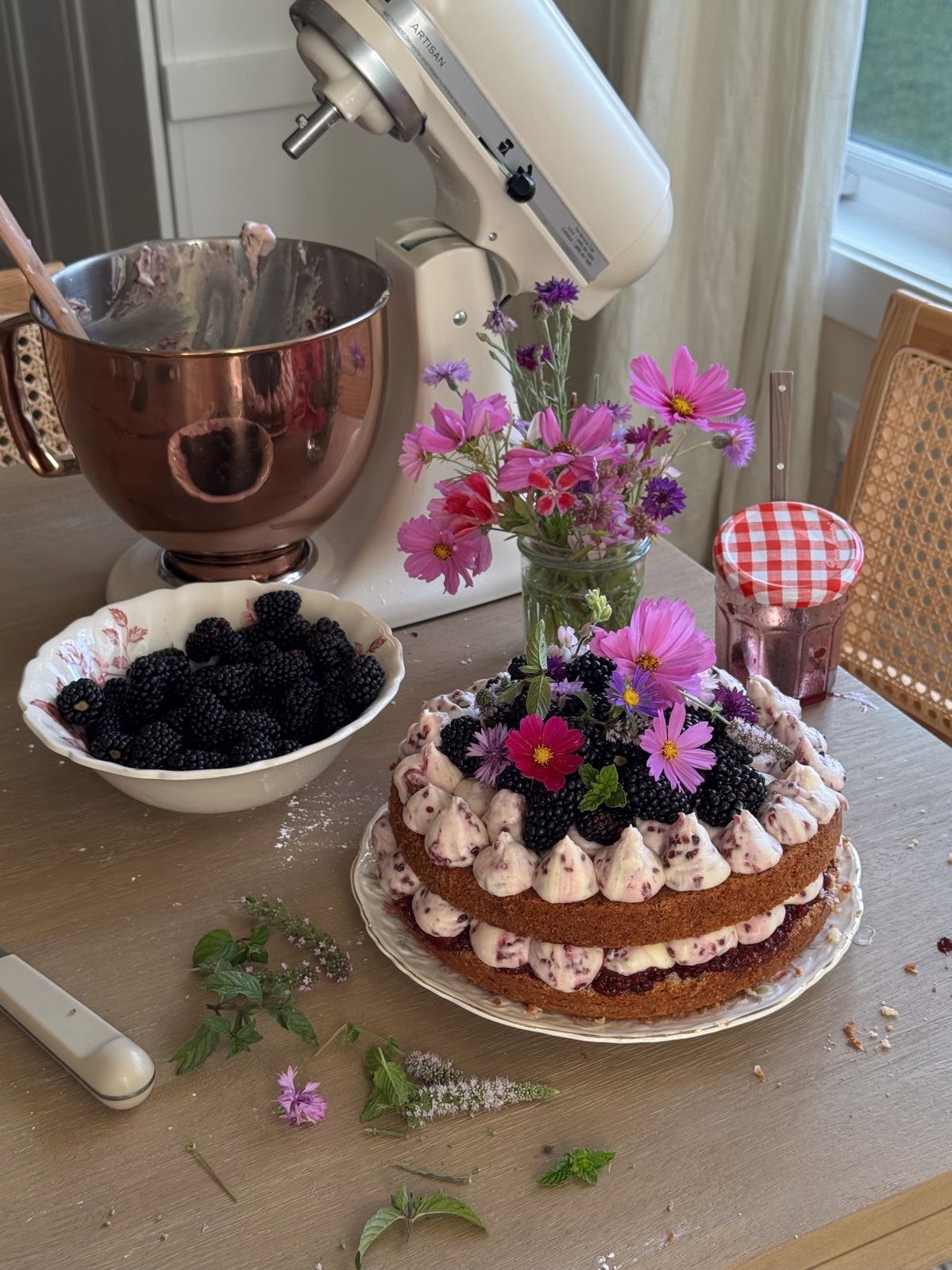
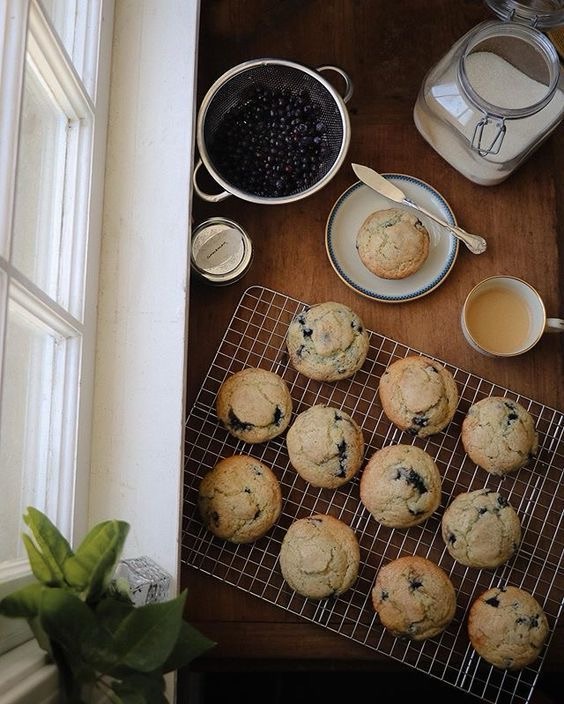
Cottagecore content is often carefully staged using natural lighting, wooden tables, fresh flowers, vintage dishes, and homemade food.
Prominence
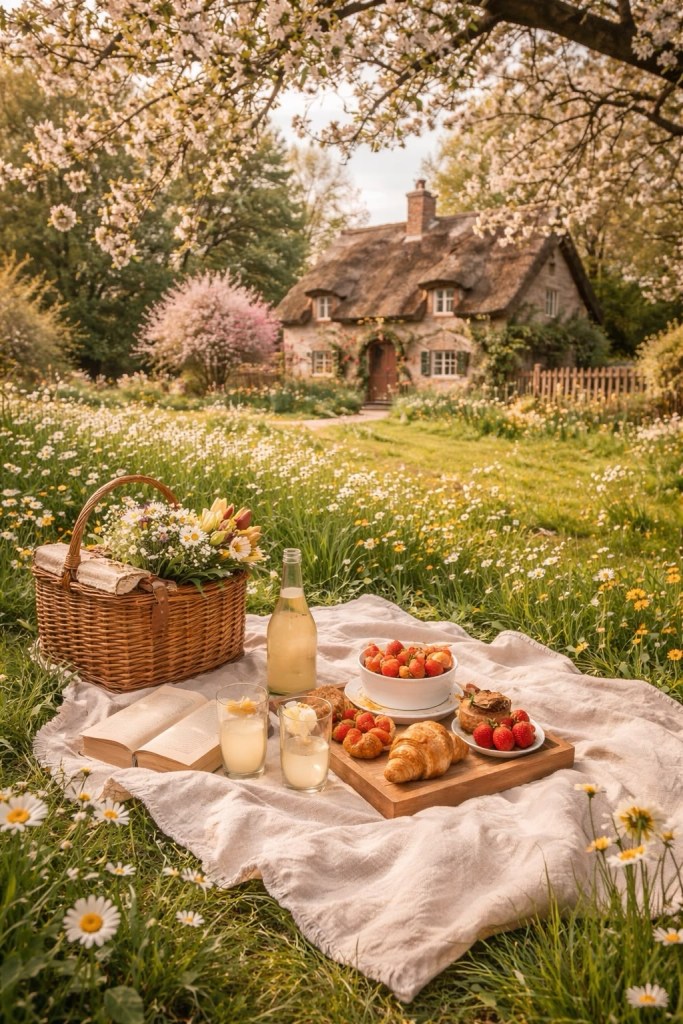
Certain elements appear frequently and stand out visually.
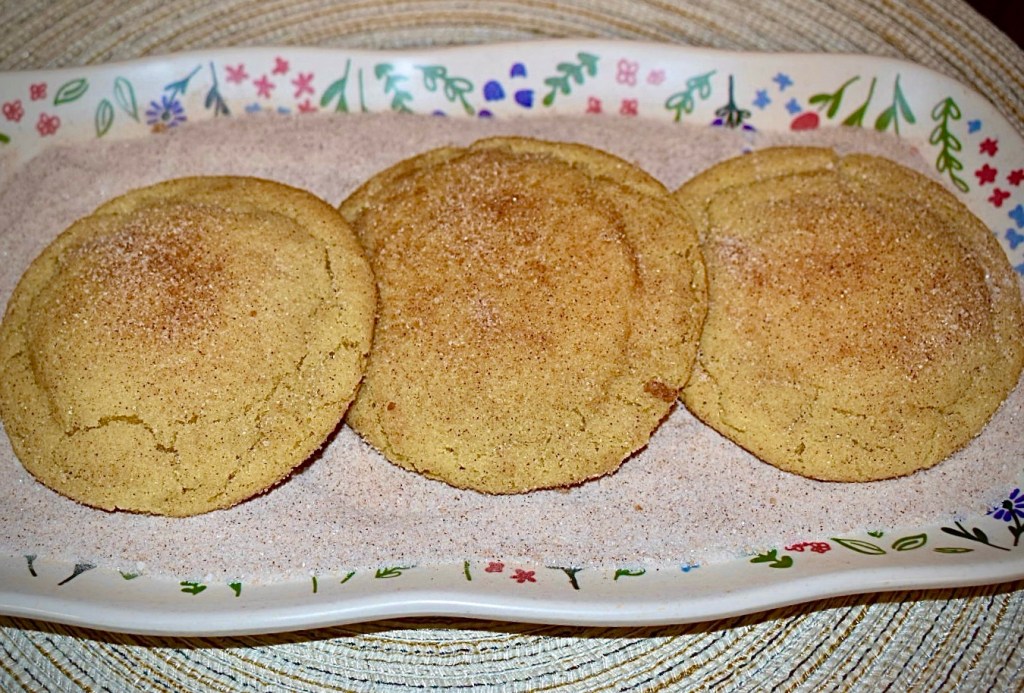
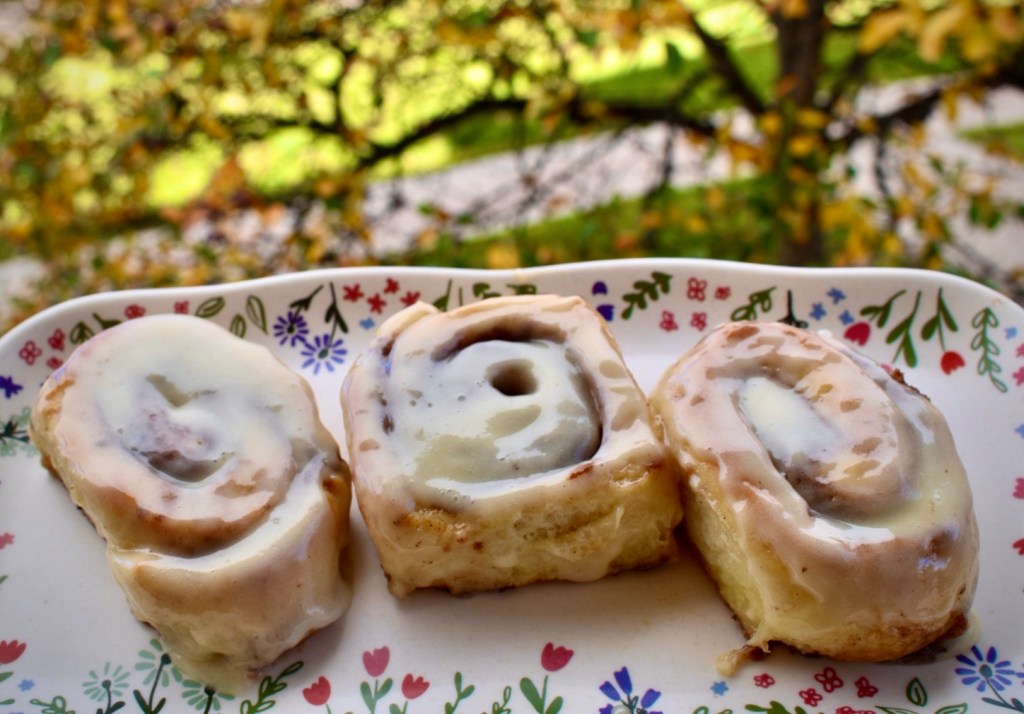
Fresh bread and baked goods
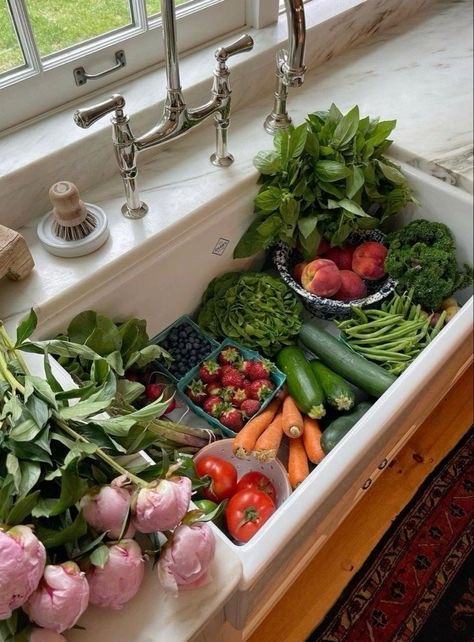
Wildflowers and garden plants
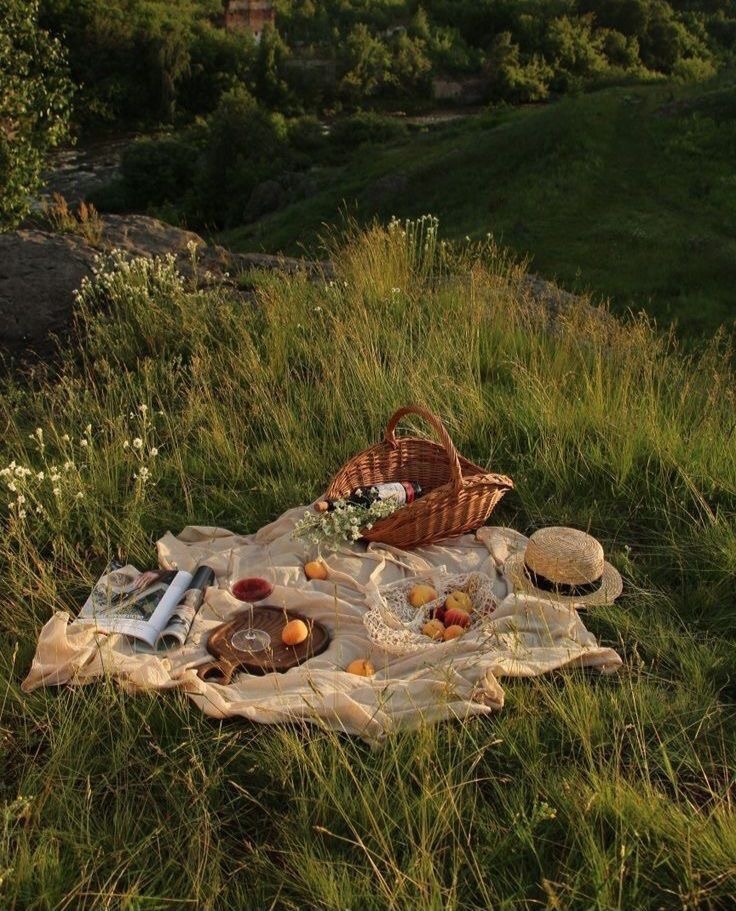
Picnic baskets and tea sets
These visual details reinforce the aesthetic’s focus on simplicity and connection with nature.
Intertextuality
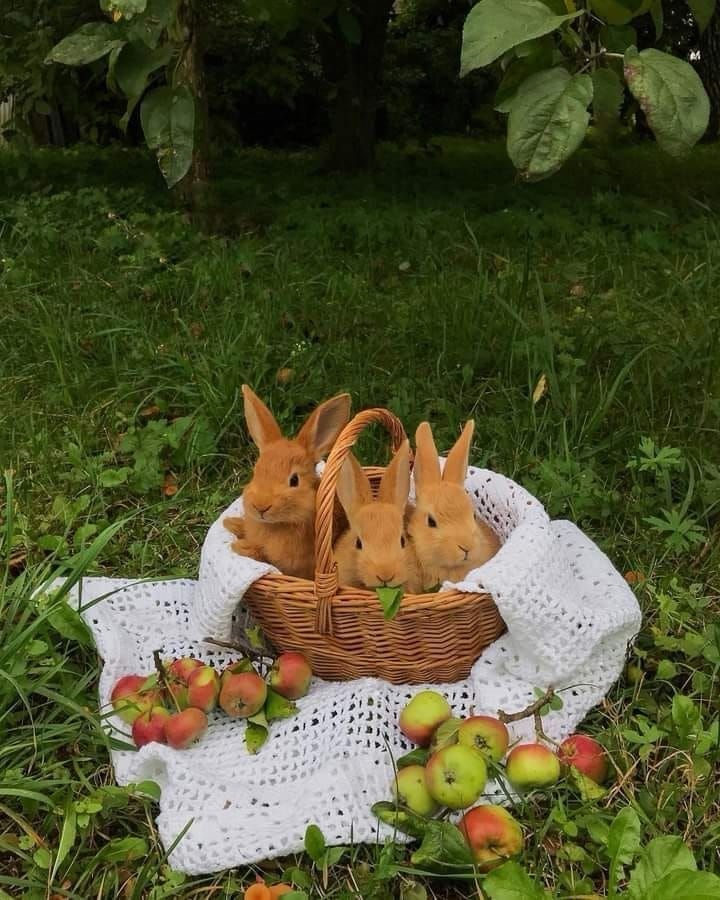
Cottagecore also connects to older cultural ideas about rural life. This is an example of intertextuality.
Many Cottagecore images resemble pastoral imagery found in literature and art throughout history. Scholars have noted that romanticized countryside imagery has existed for thousands of years in storytelling traditions (Brown, 2021).
Because of this, Cottagecore is not entirely new. Instead, it reinterprets older cultural ideas through modern social media.
Hegemony and Ideology
Cottagecore reflects and challenges cultural beliefs at the same time.
On one hand, the aesthetic challenges modern hustle culture by suggesting that fulfillment can come from slower activities like baking, gardening, or crafting.
At the same time, some researchers point out that Cottagecore can romanticize rural life or traditional domestic roles without acknowledging the hard work involved (University of Calgary, n.d.).
This tension makes the trend especially interesting to analyze. It allows different viewers to interpret the aesthetic in different ways.
Personally, I love that Cottagecore encourages people to reconnect with creative hobbies. Baking, crafting, and gardening can be incredibly grounding activities.
Rhetorical Analysis
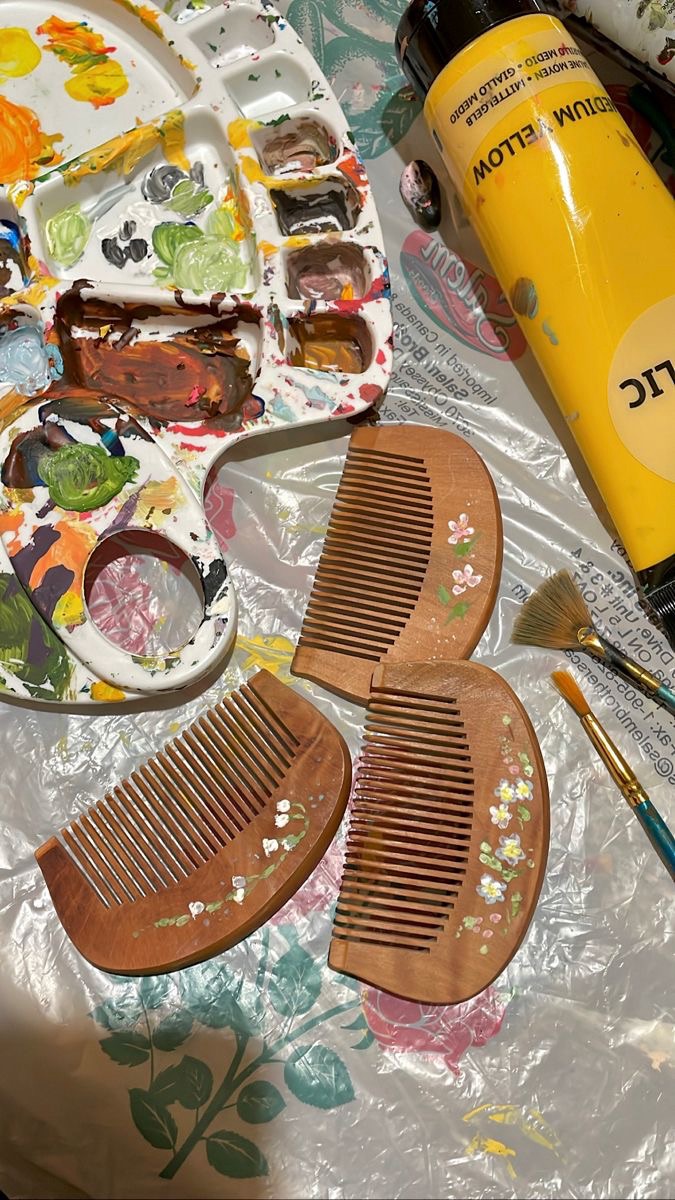
Equipment for Living
Kenneth Burke described popular culture texts as offering equipment for living. In other words, they give people ideas for how to navigate life.
Cottagecore suggests that happiness can come from slower routines and creative activities. It portrays baking, gardening, and crafting as meaningful ways to spend time.
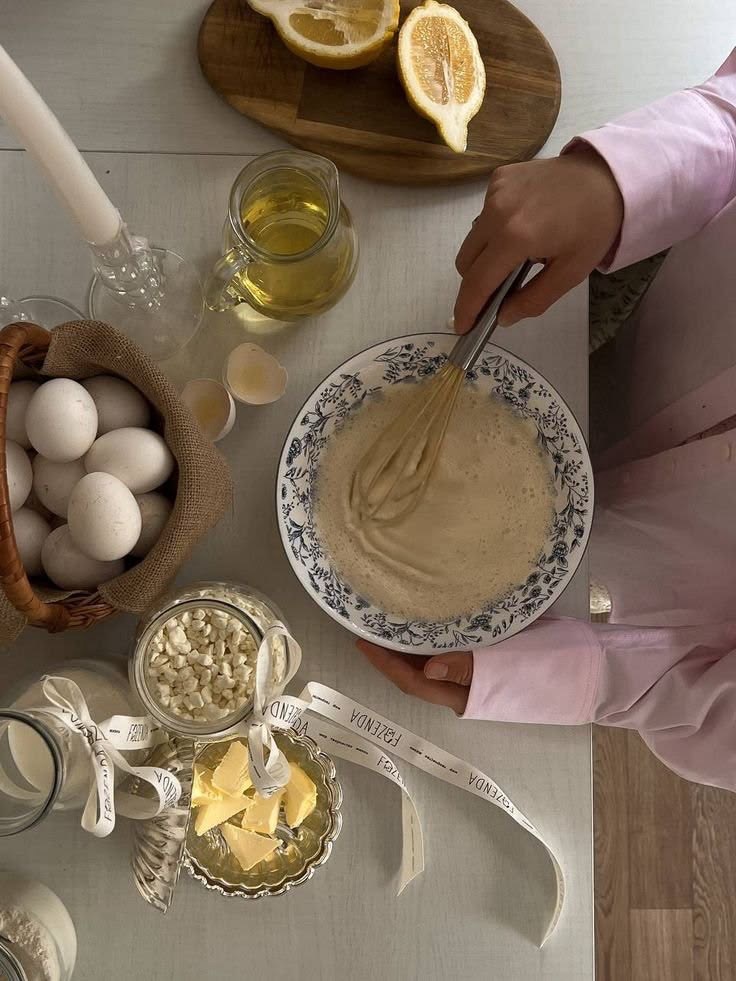
Logos
Cottagecore content often follows logical routines such as baking recipes or garden care. These routines create structure and make the lifestyle feel achievable.
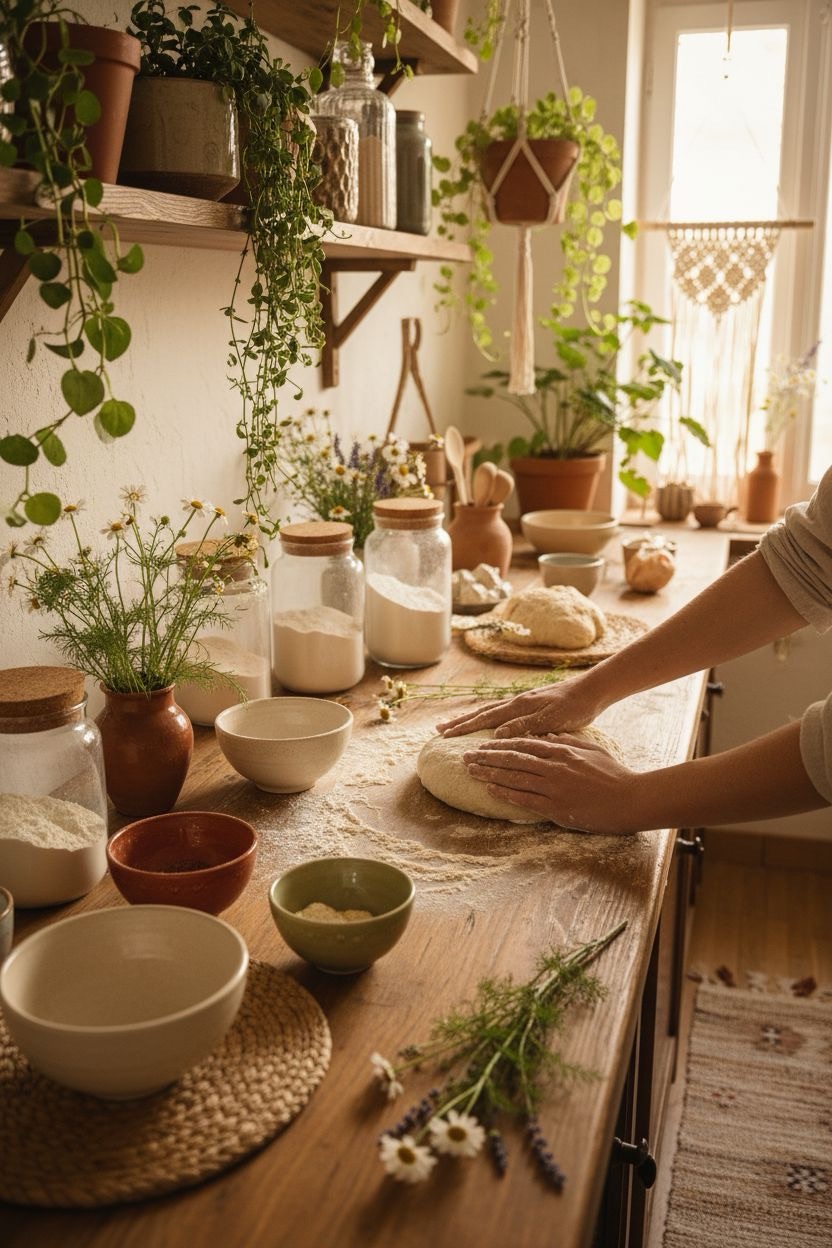
Ethos
Creators build credibility by sharing real routines and experiences. Many Cottagecore creators document their own baking or crafting projects, which helps the aesthetic feel authentic.
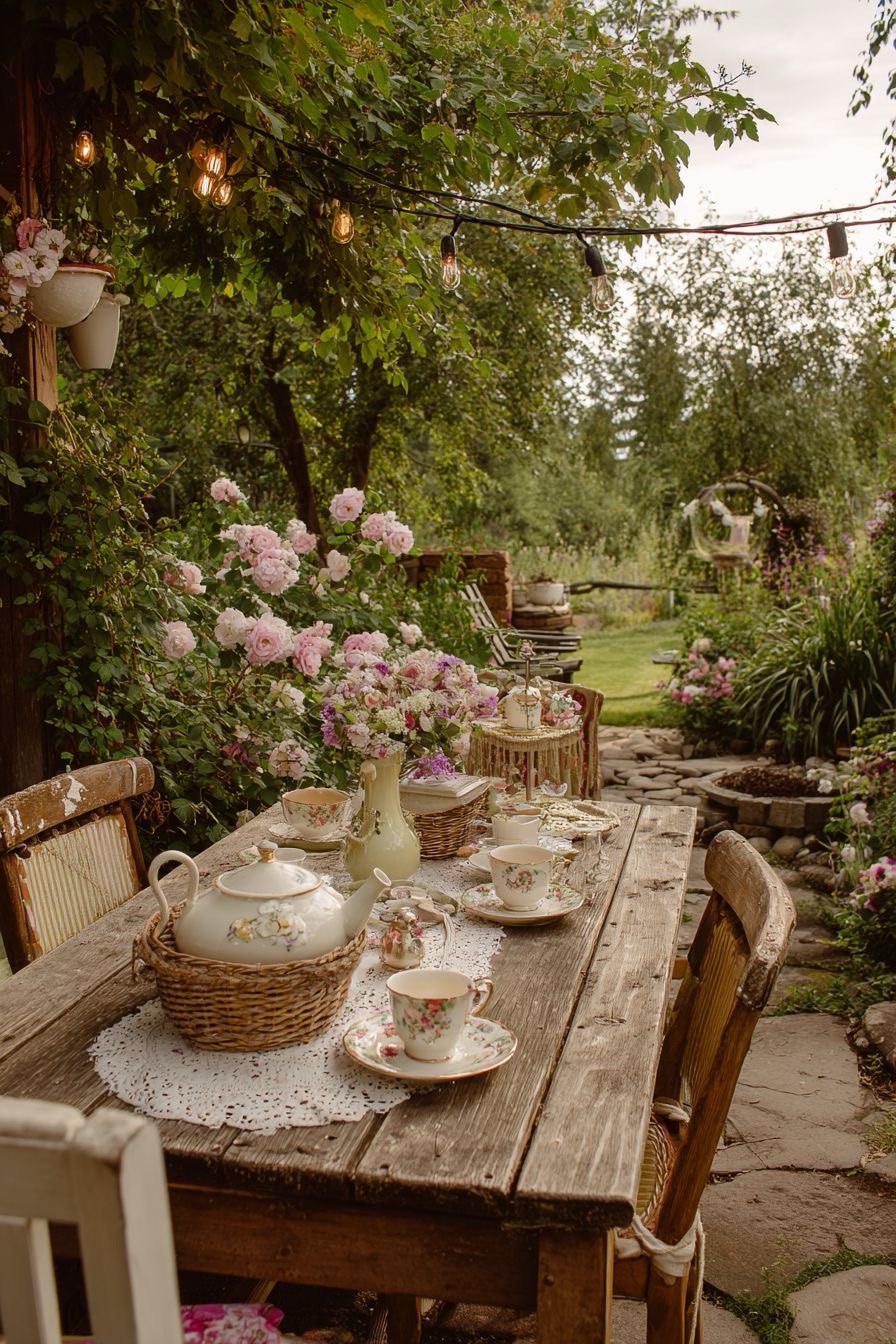
Pathos
The emotional appeal of Cottagecore is very strong. The imagery often evokes feelings of comfort, nostalgia, calmness, and warmth.
These emotions help explain why the trend has resonated with so many people.
Audience
The main audience for Cottagecore includes younger internet users, particularly Gen Z and millennials.
Many people in these groups spend a lot of time online and experience fast paced digital environments. Cottagecore offers a calming contrast to that lifestyle.
The aesthetic also appeals to creative communities who enjoy activities like baking, crafting, and DIY projects (Center for Media, Culture, and Society, n.d.).
If Cottagecore had been created in a different time period, it might have been interpreted differently. Earlier generations may have associated rural life with labor rather than nostalgia.
Societal Perspective
Cottagecore reflects a broader cultural interest in slow living and nostalgia.
The trend became especially popular during the COVID 19 pandemic, when many people were spending more time at home and exploring hobbies like baking or gardening (Givhan, 2020).
If someone only looked at Cottagecore to understand society today, they might conclude that many people feel overwhelmed by modern life and are searching for ways to reconnect with creativity, nature, and community.
For me, Cottagecore feels closely connected to the things I already love sharing here on Samsational Sweets.
Baking from scratch, slowing down enough to enjoy the process, and creating something comforting by hand are all part of the experience.
While Cottagecore may sometimes romanticize rural life, it also reminds us that simple activities like baking bread or enjoying a quiet morning can be meaningful.
Sometimes the smallest moments end up being the most comforting.
References
Center for Media, Culture, and Society. (n.d.). Crafting cottagecore. https://cmsmc.org/publications/crafting-cottagecore
Country Living. (2021, November 30). What is the cottagecore aesthetic? https://www.countryliving.com/uk/homes-interiors/interiors/a38311077/cottagecore-aesthetic/
Givhan, R. (2020, March 10). What is cottagecore? The New York Times. https://www.nytimes.com/2020/03/10/style/cottagecore.html
JSTOR Daily. (2021, June 7). Cottagecore debuted 2,300 years ago. https://daily.jstor.org/cottagecore-debuted-2300-years-ago/
The Good Trade. (2024, May 31). What is cottagecore? https://www.thegoodtrade.com/features/what-is-cottagecore/
University of Calgary. (n.d.). Curating DIY Community On Reddit A Feminist Subcultural Study of R/Cottagecore. https://ucalgary.scholaris.ca/server/api/core/bitstreams/a8219569-83d9-4010-b690-3e623e21777d/content







Thank you for reading and for being a little part of this cozy little corner of Samsational Sweets.
Love,
Sam
 Samsational Sweets